One of the perennial fears of taxpayers is getting audited by the IRS. Financially, few scenarios strike such fear into the heart of taxpayers. However, taxpayers can probably breathe a sigh of relief – at least for now…
⏱ 3 min read
One of the perennial fears of taxpayers is getting audited by the IRS. Financially, few scenarios strike such fear into the heart of taxpayers. However, taxpayers can probably breathe a sigh of relief – at least for now. This is because the rate at which the IRS is initiating audits of individual taxpayers is dropping like a stone.
Decline in Audit Rates
The rate at which the IRS is auditing individual taxpayers has declined overall between the years of 2010 and 2019 (2020 data is too new and 2021 returns are still being filed through the extension period). According to the Government Accountability Office (GAO), nearly 1 percent of all taxpayers were audited in 2010 compared to only 0.25 percent for the tax year 2019. The GAO chart below shows the ski slope-like drop in individual tax audit rates over the period.
While the IRS continues to audit higher earning taxpayers more often overall, during the 10-year period audit rates consistently declined for all levels of taxpayers, except those with the highest incomes. The audit rate for taxpayers with income between $200k and $500k experienced the largest drop, with the audit rate declining from 2.3 percent down to 0.2 percent; a 92 percent reduction in audits. Taxpayers with the highest incomes, defined as $10 million or more, saw a resurgence in audit rates from 2017-2018; however, even they experienced an overall decline, dropping from 21.2 percent in 2019 to only 3.9 percent in 2019 – equating to an 81 percent decline.
Impact on the Treasury
There is the theory that the prospect of a tax audit leads to greater voluntary compliance. In other words, if people think they won’t get audited, then they are more likely to cheat on their taxes.
Non-compliance with tax laws and regulations have a material impact on the Treasury. According to the IRS, it is estimated that on average, individual taxpayers under-reported nearly $250 billion a year for the period 2011-2013. This obviously leads to the non-collection of taxes that are otherwise owed the government and raises issues of fairness for taxpayers who are playing by the rules.
Why the Decline in Audit Rates?
One of the main drivers is a lack of resources at the IRS, a combination of both reduced funding and less auditors on staff. The number of agents working for the IRS has declined across the board since 2011. Tax examiners, the type who handle basic audits by mail, have dropped by 18 percent. Meanwhile, revenue agents, who handle the more complex cases in the field, declined by more than 40 percent over the same period.
Demographics point to an increase in these trends as there are a wave of coming retirements in the IRS. Over the next three years, nearly 14 percent of current tax examiners and 16 percent of revenue agents are expected to retire. Stack on top of this the fact that the inexperience of newer agents and the time to complete audits is also taking longer.
Conclusion
The IRS claims it is missing out on millions in legally due tax revenues due to the inability to maintain enforcement. They say they need more funding to hire more agents to perform more audits, which not only find fraud in the audits themselves but also increase overall compliance due to the pressure this creates.
Currently, there is no political focus on bringing major new resources to the IRS, so it’s not likely to see an uptick in individual tax audit rates anytime soon. The trend of focusing on the highest earners, however, will likely continue as this is where the IRS can find the most bang for its buck.
The IRS is Auditing Fewer Returns than Ever
July 1, 2022 · Blog, News, Tax and Financial News
⏱ 3 min read
One of the perennial fears of taxpayers is getting audited by the IRS. Financially, few scenarios strike such fear into the heart of taxpayers. However, taxpayers can probably breathe a sigh of relief – at least for now. This is because the rate at which the IRS is initiating audits of individual taxpayers is dropping like a stone.
Decline in Audit Rates
The rate at which the IRS is auditing individual taxpayers has declined overall between the years of 2010 and 2019 (2020 data is too new and 2021 returns are still being filed through the extension period). According to the Government Accountability Office (GAO), nearly 1 percent of all taxpayers were audited in 2010 compared to only 0.25 percent for the tax year 2019. The GAO chart below shows the ski slope-like drop in individual tax audit rates over the period.
While the IRS continues to audit higher earning taxpayers more often overall, during the 10-year period audit rates consistently declined for all levels of taxpayers, except those with the highest incomes. The audit rate for taxpayers with income between $200k and $500k experienced the largest drop, with the audit rate declining from 2.3 percent down to 0.2 percent; a 92 percent reduction in audits. Taxpayers with the highest incomes, defined as $10 million or more, saw a resurgence in audit rates from 2017-2018; however, even they experienced an overall decline, dropping from 21.2 percent in 2019 to only 3.9 percent in 2019 – equating to an 81 percent decline.
Impact on the Treasury
There is the theory that the prospect of a tax audit leads to greater voluntary compliance. In other words, if people think they won’t get audited, then they are more likely to cheat on their taxes.
Non-compliance with tax laws and regulations have a material impact on the Treasury. According to the IRS, it is estimated that on average, individual taxpayers under-reported nearly $250 billion a year for the period 2011-2013. This obviously leads to the non-collection of taxes that are otherwise owed the government and raises issues of fairness for taxpayers who are playing by the rules.
Why the Decline in Audit Rates?
One of the main drivers is a lack of resources at the IRS, a combination of both reduced funding and less auditors on staff. The number of agents working for the IRS has declined across the board since 2011. Tax examiners, the type who handle basic audits by mail, have dropped by 18 percent. Meanwhile, revenue agents, who handle the more complex cases in the field, declined by more than 40 percent over the same period.
Demographics point to an increase in these trends as there are a wave of coming retirements in the IRS. Over the next three years, nearly 14 percent of current tax examiners and 16 percent of revenue agents are expected to retire. Stack on top of this the fact that the inexperience of newer agents and the time to complete audits is also taking longer.
Conclusion
The IRS claims it is missing out on millions in legally due tax revenues due to the inability to maintain enforcement. They say they need more funding to hire more agents to perform more audits, which not only find fraud in the audits themselves but also increase overall compliance due to the pressure this creates.
Currently, there is no political focus on bringing major new resources to the IRS, so it’s not likely to see an uptick in individual tax audit rates anytime soon. The trend of focusing on the highest earners, however, will likely continue as this is where the IRS can find the most bang for its buck.
Disclaimer
These articles provide general information on tax, accounting, and financial topics for small businesses and individuals. They are educational in nature and are not specific legal, accounting, financial, tax, or other professional advice, and should not be relied upon as such. This content was prepared by Service2Client and may have been reviewed or edited by the website owner for accuracy and compliance. Look for a trust mark below for verification details. No representation is made that any approach described will achieve a particular result, and no regulatory or professional body has reviewed or endorsed this content. Because each situation is different, readers should consult a qualified professional about their specific circumstances before acting. Images accompanying these articles are protected by copyright and may not be copied or reused.
We’re all feeling the pain at the pump. Unless you decide to walk, bike or take public transportation, you might feel stuck. But all is not lost. Here are some fuel-efficient driving techniques that can help you save hundreds of dollars…
⏱ 4 min read
We’re all feeling the pain at the pump. Unless you decide to walk, bike or take public transportation, you might feel stuck. But all is not lost. Here are some fuel-efficient driving techniques that can help you save hundreds of dollars in fuel each year.
Don’t Drive Too Fast
Of course, when you’re on the highway, you must maintain a certain speed. However, cars, vans and pickups are typically the most fuel-efficient when driving between 50 and 80 mph. If you go any faster, you’ll use more gas. Consider this: When you’re driving roughly 75 miles per hour, you use 20 percent more fuel than you would if you were going around 60 mph. On a 15-mile trip, if you’re driving faster, you’ll only save two minutes. Only you know if shaving two minutes and gulping extra gas from your tank is worth it.
Maintain a Steady Speed
When you drive in bursts, slowing down and then accelerating, your fuel consumption increases. Specifically, tests have shown that varying your speed up and down between 75 and 85 mph every 18 seconds can bump up fuel usage by 20 percent. If your car has cruise control, use that. Word from the wise: Slow and steady wins the race.
Accelerate Gently
The heavier your foot is when putting the pedal to the metal, the more gas you use. Here’s how to accelerate and save gas: From a stop, take five seconds to get to 12 mph. You’ll speed on up after that, but the point is to pay attention to when you’re just starting and ease into your journey.
Coast to Decelerate
If you tend to have a heavy brake foot, you’re thwarting your forward momentum. Granted, you want to control your car if you’re in rain or snow. But here’s the trick: Look ahead to see what traffic is like and, if you have some room when you’re headed down that hill, take your foot off the gas and the brake, and enjoy the ride – you’ll conserve fuel and save money.
Try Not to Idle
Except when you’re in traffic, if you’re stopped longer than a minute, turn off your engine. The average vehicle with a three-liter engine drinks in over a cup of fuel for every 10 minutes it idles. Ouch!
Measure Tire Pressure
Do this every month. If your tires are under-inflated by 56 kilopascals (aka 8 pounds per square inch), fuel consumption rises by up to 4 percent. If you don’t know the right tire pressure for your car, look on the edge of the driver’s side door. If your tires are low, it also can reduce the life of them. Make it a habit to check your tires.
Use Credit Cards with Gas Rewards
These cards are usually issued in partnership with a bank and offer a discount on gas, like saving five or six cents off a gallon. Yes, mere pennies; but when you add it up, it makes a difference. A few of the top cards to check out are Citi Custom CashSM Card, Blue Cash Preferred® Card from American Express, and Discover it® Cash Back. Here are a few more. Another smart way to save is to get an app like GasBuddy that shows you the cheapest gas near you.
No one knows when gas prices will go down. In the meantime, the only thing you can do is try to work around the situation as best you can. The good news is that nothing lasts forever.
We’re all feeling the pain at the pump. Unless you decide to walk, bike or take public transportation, you might feel stuck. But all is not lost. Here are some fuel-efficient driving techniques that can help you save hundreds of dollars in fuel each year.
Don’t Drive Too Fast
Of course, when you’re on the highway, you must maintain a certain speed. However, cars, vans and pickups are typically the most fuel-efficient when driving between 50 and 80 mph. If you go any faster, you’ll use more gas. Consider this: When you’re driving roughly 75 miles per hour, you use 20 percent more fuel than you would if you were going around 60 mph. On a 15-mile trip, if you’re driving faster, you’ll only save two minutes. Only you know if shaving two minutes and gulping extra gas from your tank is worth it.
Maintain a Steady Speed
When you drive in bursts, slowing down and then accelerating, your fuel consumption increases. Specifically, tests have shown that varying your speed up and down between 75 and 85 mph every 18 seconds can bump up fuel usage by 20 percent. If your car has cruise control, use that. Word from the wise: Slow and steady wins the race.
Accelerate Gently
The heavier your foot is when putting the pedal to the metal, the more gas you use. Here’s how to accelerate and save gas: From a stop, take five seconds to get to 12 mph. You’ll speed on up after that, but the point is to pay attention to when you’re just starting and ease into your journey.
Coast to Decelerate
If you tend to have a heavy brake foot, you’re thwarting your forward momentum. Granted, you want to control your car if you’re in rain or snow. But here’s the trick: Look ahead to see what traffic is like and, if you have some room when you’re headed down that hill, take your foot off the gas and the brake, and enjoy the ride – you’ll conserve fuel and save money.
Try Not to Idle
Except when you’re in traffic, if you’re stopped longer than a minute, turn off your engine. The average vehicle with a three-liter engine drinks in over a cup of fuel for every 10 minutes it idles. Ouch!
Measure Tire Pressure
Do this every month. If your tires are under-inflated by 56 kilopascals (aka 8 pounds per square inch), fuel consumption rises by up to 4 percent. If you don’t know the right tire pressure for your car, look on the edge of the driver’s side door. If your tires are low, it also can reduce the life of them. Make it a habit to check your tires.
Use Credit Cards with Gas Rewards
These cards are usually issued in partnership with a bank and offer a discount on gas, like saving five or six cents off a gallon. Yes, mere pennies; but when you add it up, it makes a difference. A few of the top cards to check out are Citi Custom CashSM Card, Blue Cash Preferred® Card from American Express, and Discover it® Cash Back. Here are a few more. Another smart way to save is to get an app like GasBuddy that shows you the cheapest gas near you.
No one knows when gas prices will go down. In the meantime, the only thing you can do is try to work around the situation as best you can. The good news is that nothing lasts forever.
These articles provide general information on tax, accounting, and financial topics for small businesses and individuals. They are educational in nature and are not specific legal, accounting, financial, tax, or other professional advice, and should not be relied upon as such. This content was prepared by Service2Client and may have been reviewed or edited by the website owner for accuracy and compliance. Look for a trust mark below for verification details. No representation is made that any approach described will achieve a particular result, and no regulatory or professional body has reviewed or endorsed this content. Because each situation is different, readers should consult a qualified professional about their specific circumstances before acting. Images accompanying these articles are protected by copyright and may not be copied or reused.
Thanks to the Great Resignation trend over the past year, there is a high availability of jobs. Therefore, now is a good time for retirees who would like to go back to work to ease into the job market. However, if you’ve…
⏱ 4 min read
Thanks to the Great Resignation trend over the past year, there is a high availability of jobs. Therefore, now is a good time for retirees who would like to go back to work to ease into the job market. However, if you’ve already begun drawing Social Security benefits, you should understand how earning income will affect those payouts.
First of all, you have two options if you’d like to stop receiving Social Security. One option is available only if you’ve been drawing benefits for a year or less. In this case, you may cancel your application; but be aware that you must repay all the benefits that you and your family have received to date. That includes spousal benefits and even Medicare premiums that were deducted from your payout. You will still be able to reapply for Social Security later.
The second option is available only if you have reached full retirement age but have not yet turned 70 years old. In this case, you may request to have your Social Security payouts suspended.
There are two benefits associated with these strategies: 1) foregoing Social Security income will likely reduce your tax bill; and 2) your Social Security benefits will start accruing again based on the delay and calculations that include your new wages.
However, you may continue receiving Social Security while you work, which could be important if your spouse is receiving benefits based on your earnings record. Under this scenario, a portion of your benefit may be withheld or even subject to higher taxes. It all depends on how much you earn. If your annual income is $19,560 or less (2022), it won’t impact your Social Security benefits.
Note that only wages from a job or self-employment count toward your Social Security income limit for withholding purposes. Distributions you receive from pensions, annuities, investment income, interest, veterans benefits or other government or military retirement benefits are not considered earned income.
Once your income totals more than $19,560, the impact depends on your age. If you have not yet reached “full retirement age,” Social Security will withhold $1 in benefits for every $2 you earn over the limit.
During the year you reach full retirement age, your annual total earnings limit increases to $51,960 (2022), and the subsequent benefit reduction drops to $1 for every $3 you earn over that amount. In fact, they count only how much you’ve earned up to the month before your birthday – not what you end up earning in a whole year. Once you’ve reached full retirement age, it doesn’t matter much how you earn, there will no longer be any withholding of benefits.
Better yet, starting in January of the year after you turn full retirement age, regardless of whether you continue working or not, your Social Security benefit will increase to reflect any previously withheld benefits due to your income exceeding the limit. And if the years you subsequently worked rank among your 35 highest earning years, your payout will increase even more to reflect a higher benefit calculation (since you paid FICA taxes on that income).
Tax Considerations
In the case of all beneficiaries, at least 15 percent of Social Security income is exempt from federal income taxes. Be aware though, that for tax purposes, your reportable income includes half of your Social Security benefit plus all other forms of income, such as a job, pension or investment income. If your total annual income is between $25,000 and $34,000, then as much as 50 percent of your Social Security benefit is taxable. If you earn more than $34,000 in a year, then up to 85 percent of your Social Security benefit is subject to taxes.
This is a general overview of what happens to your Social Security benefits when mixed with earned income. There are additional details, so it’s a good idea to work with a Social Security expert to decide if you should cancel or suspend payouts, and to understand how your income and tax situation may be impacted by going back to work.
With that said, if your portfolio has taken a beating this year, you might want to stop investment distributions for now and give it time to grow. Fortunately, the United States is currently enjoying a robust job market in which highly experienced candidates can negotiate a flexible work schedule, job site and higher salary, so it may be worth it to go back to work for another year or two to help secure your long-term retirement plans.
How Social Security Benefits Are Affected by Earned Income
June 1, 2022 · Blog, Financial Planning, News
⏱ 4 min read
Thanks to the Great Resignation trend over the past year, there is a high availability of jobs. Therefore, now is a good time for retirees who would like to go back to work to ease into the job market. However, if you’ve already begun drawing Social Security benefits, you should understand how earning income will affect those payouts.
First of all, you have two options if you’d like to stop receiving Social Security. One option is available only if you’ve been drawing benefits for a year or less. In this case, you may cancel your application; but be aware that you must repay all the benefits that you and your family have received to date. That includes spousal benefits and even Medicare premiums that were deducted from your payout. You will still be able to reapply for Social Security later.
The second option is available only if you have reached full retirement age but have not yet turned 70 years old. In this case, you may request to have your Social Security payouts suspended.
There are two benefits associated with these strategies: 1) foregoing Social Security income will likely reduce your tax bill; and 2) your Social Security benefits will start accruing again based on the delay and calculations that include your new wages.
However, you may continue receiving Social Security while you work, which could be important if your spouse is receiving benefits based on your earnings record. Under this scenario, a portion of your benefit may be withheld or even subject to higher taxes. It all depends on how much you earn. If your annual income is $19,560 or less (2022), it won’t impact your Social Security benefits.
Note that only wages from a job or self-employment count toward your Social Security income limit for withholding purposes. Distributions you receive from pensions, annuities, investment income, interest, veterans benefits or other government or military retirement benefits are not considered earned income.
Once your income totals more than $19,560, the impact depends on your age. If you have not yet reached “full retirement age,” Social Security will withhold $1 in benefits for every $2 you earn over the limit.
During the year you reach full retirement age, your annual total earnings limit increases to $51,960 (2022), and the subsequent benefit reduction drops to $1 for every $3 you earn over that amount. In fact, they count only how much you’ve earned up to the month before your birthday – not what you end up earning in a whole year. Once you’ve reached full retirement age, it doesn’t matter much how you earn, there will no longer be any withholding of benefits.
Better yet, starting in January of the year after you turn full retirement age, regardless of whether you continue working or not, your Social Security benefit will increase to reflect any previously withheld benefits due to your income exceeding the limit. And if the years you subsequently worked rank among your 35 highest earning years, your payout will increase even more to reflect a higher benefit calculation (since you paid FICA taxes on that income).
Tax Considerations
In the case of all beneficiaries, at least 15 percent of Social Security income is exempt from federal income taxes. Be aware though, that for tax purposes, your reportable income includes half of your Social Security benefit plus all other forms of income, such as a job, pension or investment income. If your total annual income is between $25,000 and $34,000, then as much as 50 percent of your Social Security benefit is taxable. If you earn more than $34,000 in a year, then up to 85 percent of your Social Security benefit is subject to taxes.
This is a general overview of what happens to your Social Security benefits when mixed with earned income. There are additional details, so it’s a good idea to work with a Social Security expert to decide if you should cancel or suspend payouts, and to understand how your income and tax situation may be impacted by going back to work.
With that said, if your portfolio has taken a beating this year, you might want to stop investment distributions for now and give it time to grow. Fortunately, the United States is currently enjoying a robust job market in which highly experienced candidates can negotiate a flexible work schedule, job site and higher salary, so it may be worth it to go back to work for another year or two to help secure your long-term retirement plans.
Disclaimer
These articles provide general information on tax, accounting, and financial topics for small businesses and individuals. They are educational in nature and are not specific legal, accounting, financial, tax, or other professional advice, and should not be relied upon as such. This content was prepared by Service2Client and may have been reviewed or edited by the website owner for accuracy and compliance. Look for a trust mark below for verification details. No representation is made that any approach described will achieve a particular result, and no regulatory or professional body has reviewed or endorsed this content. Because each situation is different, readers should consult a qualified professional about their specific circumstances before acting. Images accompanying these articles are protected by copyright and may not be copied or reused.
COVID-19 impacted the economy dramatically and commercial real estate was no exception in terms of decreased values. Often, the real property could no longer service the debt used to finance it. This debt restructuring…
⏱ 3 min read
COVID-19 impacted the economy dramatically and commercial real estate was no exception in terms of decreased values. Often, the real property could no longer service the debt used to finance it. This debt restructuring and resulting debt forgiveness can result in taxable income.
Taxable Income and Debt Cancellation
If you have a $80,000 loan and the bank reduced the amount you owe down to $50,000, then you have an economic benefit of $30,000, which should be treated as taxable income. This is indeed how cancellation of debt is treated, but there are exceptions such as in the case of bankruptcy or insolvency. There is another unique scenario that applies only to commercial real estate.
Assuming that the taxpayer is not a C-corporation, debt cancellation is excludable from taxable income if it results from qualified real property business indebtedness (QRPBI). QRPBI is debt taken on to buy real property used for commercial purposes. Starting in 1993, debt used for building or improving a property also qualify.
As we all know, there is no such thing as a free lunch. In order for debt cancellation to not be considered current taxable income, the taxpayer must reduce their basis in the real property by this same amount. This does not cancel the income; instead, it defers its recognition and helps cash flow as a result. Below, we look at an example of how this works.
Illustrative Example
Assume David bought a property in 2017 and he uses it for business purposes. In 2022, the property has a first mortgage of $200,000 and a second mortgage of $100,000 (both with the same bank), with a fair market value (FMV) of $240,000. He negotiates with the bank to reduce the second mortgage down to $20,000, resulting in income from the cancellation of debt of $80,000.
The amount of debt cancellation that can be deferred is equal to the amount of the second mortgage before the debt cancellation, less the FMV minus the first mortgage. In David’s case, before debt cancellation, the FMV ($240k) minus the first mortgage ($200k) was $40,000. The balance of the second mortgage ($100k) exceeded this by $60,000. Out of the total debt cancellation of $80,000, this $60k is subject to deferral, with only the remaining $20,000 reported as immediate taxable income.
The $60,000 is not considered as taxable income only to the extent that David has sufficient adjusted tax basis in the depreciable real property to absorb this as a reduction in basis. Assuming this is the case, the reduction in basis applies the first day of the tax year after the debt cancellation (unless the property is sold before year-end – then it applies immediately).
In the example above, David would include the $10,000 of cancellation of debt income on his 2022 tax return and adjust his basis in the real property by $60,000 as of Jan. 1, 2023.
Filing Mechanics
For real estate held via partnerships instead of by individuals, determining if debt is QRPBI qualified happens at the entity level, although reductions of basis are done at the individual level for each partner, allowing individual planning. The election to defer cancellation of debt income is recorded on Form 982.
Conclusion
The COVID pandemic caused many real estate investors to restructure their debts. The option to defer debt income cancellation offers a great tax planning opportunity by delaying taxable income and improving cash flows.
Tax Break for Commercial Real Estate Investors
June 1, 2022 · Blog, News, Tax and Financial News
⏱ 3 min read
COVID-19 impacted the economy dramatically and commercial real estate was no exception in terms of decreased values. Often, the real property could no longer service the debt used to finance it. This debt restructuring and resulting debt forgiveness can result in taxable income.
Taxable Income and Debt Cancellation
If you have a $80,000 loan and the bank reduced the amount you owe down to $50,000, then you have an economic benefit of $30,000, which should be treated as taxable income. This is indeed how cancellation of debt is treated, but there are exceptions such as in the case of bankruptcy or insolvency. There is another unique scenario that applies only to commercial real estate.
Assuming that the taxpayer is not a C-corporation, debt cancellation is excludable from taxable income if it results from qualified real property business indebtedness (QRPBI). QRPBI is debt taken on to buy real property used for commercial purposes. Starting in 1993, debt used for building or improving a property also qualify.
As we all know, there is no such thing as a free lunch. In order for debt cancellation to not be considered current taxable income, the taxpayer must reduce their basis in the real property by this same amount. This does not cancel the income; instead, it defers its recognition and helps cash flow as a result. Below, we look at an example of how this works.
Illustrative Example
Assume David bought a property in 2017 and he uses it for business purposes. In 2022, the property has a first mortgage of $200,000 and a second mortgage of $100,000 (both with the same bank), with a fair market value (FMV) of $240,000. He negotiates with the bank to reduce the second mortgage down to $20,000, resulting in income from the cancellation of debt of $80,000.
The amount of debt cancellation that can be deferred is equal to the amount of the second mortgage before the debt cancellation, less the FMV minus the first mortgage. In David’s case, before debt cancellation, the FMV ($240k) minus the first mortgage ($200k) was $40,000. The balance of the second mortgage ($100k) exceeded this by $60,000. Out of the total debt cancellation of $80,000, this $60k is subject to deferral, with only the remaining $20,000 reported as immediate taxable income.
The $60,000 is not considered as taxable income only to the extent that David has sufficient adjusted tax basis in the depreciable real property to absorb this as a reduction in basis. Assuming this is the case, the reduction in basis applies the first day of the tax year after the debt cancellation (unless the property is sold before year-end – then it applies immediately).
In the example above, David would include the $10,000 of cancellation of debt income on his 2022 tax return and adjust his basis in the real property by $60,000 as of Jan. 1, 2023.
Filing Mechanics
For real estate held via partnerships instead of by individuals, determining if debt is QRPBI qualified happens at the entity level, although reductions of basis are done at the individual level for each partner, allowing individual planning. The election to defer cancellation of debt income is recorded on Form 982.
Conclusion
The COVID pandemic caused many real estate investors to restructure their debts. The option to defer debt income cancellation offers a great tax planning opportunity by delaying taxable income and improving cash flows.
Disclaimer
These articles provide general information on tax, accounting, and financial topics for small businesses and individuals. They are educational in nature and are not specific legal, accounting, financial, tax, or other professional advice, and should not be relied upon as such. This content was prepared by Service2Client and may have been reviewed or edited by the website owner for accuracy and compliance. Look for a trust mark below for verification details. No representation is made that any approach described will achieve a particular result, and no regulatory or professional body has reviewed or endorsed this content. Because each situation is different, readers should consult a qualified professional about their specific circumstances before acting. Images accompanying these articles are protected by copyright and may not be copied or reused.
The Cash Conversion Cycle, also known as the Net Operating Cycle, answers the question, “How many days does it take a company to pay for and generate cash from the sales of its inventory?” However, before…
⏱ 4 min read
The Cash Conversion Cycle, also known as the Net Operating Cycle, answers the question, “How many days does it take a company to pay for and generate cash from the sales of its inventory?” However, before an analysis like this can take place, it’s important to consider the company’s primary line of business.
If the company sells software, it’s more challenging to measure performance if it generates revenue primarily on intellectual property – by developing computer code and licensing its use to clients. For online marketplaces, especially those that make the majority of their profits from third-party sellers that manage product sourcing, listing their inventory and shipping products on their own won’t measure the online marketplace’s own inventory. Since these types of businesses don’t act like a manufacturer that produces and sells products to other businesses or the general public, this type of analysis will be less helpful.
To start with the formula for the Cash Conversion Cycle (CCC), it’s calculated as follows:
CCC = Days of Sales Outstanding (DSO) + Days of Inventory Outstanding (DIO) – Days of Payables Outstanding (DPO)
Days of Sales Outstanding, Defined
DSO is the average number of days it takes a company to collect payment once a sale has completed. The beginning and ending Accounts Receivable figures from a fiscal year are added together and divided by 2. Then revenue from the income statement for the entire fiscal year must be divided by 365 days to get a daily average.
The fewer the days, the better; however, it can’t be so fast that such tight payment terms push customers away.
Days of Inventory Outstanding, Defined
DIO is the average number of days a business keeps its inventory before it’s purchased.
The beginning and ending inventories of a fiscal year are added together and divided by 2 to find an average. The resulting figure is then divided by the daily average of the cost of goods sold over a fiscal year, which is often 365 days.
DIO = Beginning Inventory + Ending Inventory / 2 = Cost of Goods Sold / 365 days
The lower the number, the faster inventory is sold. While there’s nothing wrong with moving it fast, there is the danger that orders might not be able to be fulfilled.
Defining the Operating Cycle
As the CFA Institute explains, putting DIO and DSO together constitutes the Operating Cycle. This is defined as the period of days that it takes a business to transform basic materials and/or goods into stock and obtain money from the completed transaction. When this number is small, it means product is moving and customers have no issue making prompt payments.
Days of Payable Outstanding, Defined
Days of Payable Outstanding determines the number of days a business takes to fulfill its debts to suppliers.
DPO = Beginning Accounts Payable + Ending Accounts Payable / 2 = Cost of Goods Sold / 365 days
Considerations for DPO include finding a balance between how long a business can take to pay their suppliers, but also not missing out on pre-payment discounts or being penalized with late fees, financing charges, etc.
Going Beyond the Results
When analyzing the Cash Conversion Cycle for the right type of company, it can provide great insight into a company’s efficiency in collecting billings; how long inventory is up for sale; and the time it takes to become current with its own suppliers. Depending on the results of the CCC analysis, performing financial analyses can provide insight into not only how the company is performing financially, but why the company is performing financially.
The Cash Conversion Cycle, also known as the Net Operating Cycle, answers the question, “How many days does it take a company to pay for and generate cash from the sales of its inventory?” However, before an analysis like this can take place, it’s important to consider the company’s primary line of business.
If the company sells software, it’s more challenging to measure performance if it generates revenue primarily on intellectual property – by developing computer code and licensing its use to clients. For online marketplaces, especially those that make the majority of their profits from third-party sellers that manage product sourcing, listing their inventory and shipping products on their own won’t measure the online marketplace’s own inventory. Since these types of businesses don’t act like a manufacturer that produces and sells products to other businesses or the general public, this type of analysis will be less helpful.
To start with the formula for the Cash Conversion Cycle (CCC), it’s calculated as follows:
CCC = Days of Sales Outstanding (DSO) + Days of Inventory Outstanding (DIO) – Days of Payables Outstanding (DPO)
Days of Sales Outstanding, Defined
DSO is the average number of days it takes a company to collect payment once a sale has completed. The beginning and ending Accounts Receivable figures from a fiscal year are added together and divided by 2. Then revenue from the income statement for the entire fiscal year must be divided by 365 days to get a daily average.
The fewer the days, the better; however, it can’t be so fast that such tight payment terms push customers away.
Days of Inventory Outstanding, Defined
DIO is the average number of days a business keeps its inventory before it’s purchased.
The beginning and ending inventories of a fiscal year are added together and divided by 2 to find an average. The resulting figure is then divided by the daily average of the cost of goods sold over a fiscal year, which is often 365 days.
DIO = Beginning Inventory + Ending Inventory / 2 = Cost of Goods Sold / 365 days
The lower the number, the faster inventory is sold. While there’s nothing wrong with moving it fast, there is the danger that orders might not be able to be fulfilled.
Defining the Operating Cycle
As the CFA Institute explains, putting DIO and DSO together constitutes the Operating Cycle. This is defined as the period of days that it takes a business to transform basic materials and/or goods into stock and obtain money from the completed transaction. When this number is small, it means product is moving and customers have no issue making prompt payments.
Days of Payable Outstanding, Defined
Days of Payable Outstanding determines the number of days a business takes to fulfill its debts to suppliers.
DPO = Beginning Accounts Payable + Ending Accounts Payable / 2 = Cost of Goods Sold / 365 days
Considerations for DPO include finding a balance between how long a business can take to pay their suppliers, but also not missing out on pre-payment discounts or being penalized with late fees, financing charges, etc.
Going Beyond the Results
When analyzing the Cash Conversion Cycle for the right type of company, it can provide great insight into a company’s efficiency in collecting billings; how long inventory is up for sale; and the time it takes to become current with its own suppliers. Depending on the results of the CCC analysis, performing financial analyses can provide insight into not only how the company is performing financially, but why the company is performing financially.
These articles provide general information on tax, accounting, and financial topics for small businesses and individuals. They are educational in nature and are not specific legal, accounting, financial, tax, or other professional advice, and should not be relied upon as such. This content was prepared by Service2Client and may have been reviewed or edited by the website owner for accuracy and compliance. Look for a trust mark below for verification details. No representation is made that any approach described will achieve a particular result, and no regulatory or professional body has reviewed or endorsed this content. Because each situation is different, readers should consult a qualified professional about their specific circumstances before acting. Images accompanying these articles are protected by copyright and may not be copied or reused.
Cash flow awareness is vital in running the day-to-day activities of a business. Keeping track of the inflows and outflows helps a company make better plans and decisions, such as the right time to…
⏱ 4 min read
Cash flow awareness is vital in running the day-to-day activities of a business. Keeping track of the inflows and outflows helps a company make better plans and decisions, such as the right time to expand. Cash flow knowledge reveals where a business is spending money and can protect business relations, among other benefits. However, tracking cash flow is a challenge for many businesses.
To avoid business failure due to poor cash flow management, business owners are investing in software applications to help manage cash flow challenges. Modern technology enables access to these applications over the cloud, giving small- and medium-sized businesses the opportunity to benefit from them. These cash flow management tools help companies improve cash flow in various ways.
Remove Manual Paper Systems that Cost Time and Money Using a cash flow automated system, it’s possible to create and send invoices directly to clients through email. This saves on time that would otherwise be used for printing invoices, mailing, bank trips, and going through paperwork comparing details. It is also possible to automate recurring invoices, saving the time used to create and send invoices.
Makes it Easy for Clients to Pay Paying invoices takes time if a client has to keep confirming the payment details. However, an automated invoice can contain a pay now link, which facilitates quick payments for applications that include access to online payment options.
Helps Avoid Data Entry Errors and Reduces Risks There is no need to move from one platform to another to check details, manually enter details, verify figures, etc. This ensures fewer errors, such as those generated when copying details like bank information to a check, or paying the wrong amount. Sorting out these errors takes time, hence delaying payments.
Cash Flow Forecast The applications offer access to account insights in real time using cloud-based software and mobile apps, making it possible to forecast when clients are likely to pay and when bills are due. Access to live data also means there is no more dealing with complicated spreadsheets and paper ledgers. This way, a business can plan its actions to ensure positive cash flow. For instance, a business can delay paying vendors and plan when best to pay bills without running out of standby cash.
Avoid Late Payments Late payments can result in fines that will cost the business unnecessary losses. However, with software that automatically sends invoice reminders, it is possible to make timely payments.
Centralized Cash Flow System All activities involving cash transactions are located in one system, offering the ability to see cash inflows and outflows at a glance. As a result, a business can streamline its accounts and monitor cash flow; and since it includes real-time reporting, it’s easy to spot any red flags and solve problems that could adversely affect a business.
Leverage on Data Analytics A centralized system will collect data and store it in one place. By deploying artificial intelligence technology that performs data analysis, a business can better forecast its cash flow. This also provides insight into how changes such as a new products or price adjustments affect cash flow.
Choosing a Cash Flow Tool
Cash flow automation enables a business to maintain a positive cash flow and have cash in its reserves to afford reinvesting in its operations, settling debts, and handling other operating costs. However, before investing in an automation tool, it’s recommended to analyze different tools to find the best fit for your business. Each tool is different and built to address various business problems.
Some features to look out for include integration with the existing accounting system, payments and invoicing, accepting a variety of payment methods, and security.
Besides getting the most suitable application, there are other considerations to establishing a healthy cash flow. Technology has its benefits, but it does not act as a cure for a poorly implemented system. For instance, if employees don’t know how to use new technology, its impact will be limited. Therefore, a business should establish a workflow process before implementing any new technology.
Ways Technology Can Improve Business Cash Flow
June 1, 2022 · Blog, News, What's New in Technology
⏱ 4 min read
Cash flow awareness is vital in running the day-to-day activities of a business. Keeping track of the inflows and outflows helps a company make better plans and decisions, such as the right time to expand. Cash flow knowledge reveals where a business is spending money and can protect business relations, among other benefits. However, tracking cash flow is a challenge for many businesses.
To avoid business failure due to poor cash flow management, business owners are investing in software applications to help manage cash flow challenges. Modern technology enables access to these applications over the cloud, giving small- and medium-sized businesses the opportunity to benefit from them. These cash flow management tools help companies improve cash flow in various ways.
Remove Manual Paper Systems that Cost Time and Money Using a cash flow automated system, it’s possible to create and send invoices directly to clients through email. This saves on time that would otherwise be used for printing invoices, mailing, bank trips, and going through paperwork comparing details. It is also possible to automate recurring invoices, saving the time used to create and send invoices.
Makes it Easy for Clients to Pay Paying invoices takes time if a client has to keep confirming the payment details. However, an automated invoice can contain a pay now link, which facilitates quick payments for applications that include access to online payment options.
Helps Avoid Data Entry Errors and Reduces Risks There is no need to move from one platform to another to check details, manually enter details, verify figures, etc. This ensures fewer errors, such as those generated when copying details like bank information to a check, or paying the wrong amount. Sorting out these errors takes time, hence delaying payments.
Cash Flow Forecast The applications offer access to account insights in real time using cloud-based software and mobile apps, making it possible to forecast when clients are likely to pay and when bills are due. Access to live data also means there is no more dealing with complicated spreadsheets and paper ledgers. This way, a business can plan its actions to ensure positive cash flow. For instance, a business can delay paying vendors and plan when best to pay bills without running out of standby cash.
Avoid Late Payments Late payments can result in fines that will cost the business unnecessary losses. However, with software that automatically sends invoice reminders, it is possible to make timely payments.
Centralized Cash Flow System All activities involving cash transactions are located in one system, offering the ability to see cash inflows and outflows at a glance. As a result, a business can streamline its accounts and monitor cash flow; and since it includes real-time reporting, it’s easy to spot any red flags and solve problems that could adversely affect a business.
Leverage on Data Analytics A centralized system will collect data and store it in one place. By deploying artificial intelligence technology that performs data analysis, a business can better forecast its cash flow. This also provides insight into how changes such as a new products or price adjustments affect cash flow.
Choosing a Cash Flow Tool
Cash flow automation enables a business to maintain a positive cash flow and have cash in its reserves to afford reinvesting in its operations, settling debts, and handling other operating costs. However, before investing in an automation tool, it’s recommended to analyze different tools to find the best fit for your business. Each tool is different and built to address various business problems.
Some features to look out for include integration with the existing accounting system, payments and invoicing, accepting a variety of payment methods, and security.
Besides getting the most suitable application, there are other considerations to establishing a healthy cash flow. Technology has its benefits, but it does not act as a cure for a poorly implemented system. For instance, if employees don’t know how to use new technology, its impact will be limited. Therefore, a business should establish a workflow process before implementing any new technology.
Disclaimer
These articles provide general information on tax, accounting, and financial topics for small businesses and individuals. They are educational in nature and are not specific legal, accounting, financial, tax, or other professional advice, and should not be relied upon as such. This content was prepared by Service2Client and may have been reviewed or edited by the website owner for accuracy and compliance. Look for a trust mark below for verification details. No representation is made that any approach described will achieve a particular result, and no regulatory or professional body has reviewed or endorsed this content. Because each situation is different, readers should consult a qualified professional about their specific circumstances before acting. Images accompanying these articles are protected by copyright and may not be copied or reused.
You love summer, don’t you? School’s out and BBQs are on. But what you probably don’t love are those higher air conditioning bills. Here are some tried-and-true ways to help lower the cost of keeping cool…
⏱ 3 min read
You love summer, don’t you? School’s out, and BBQs are on. But what you probably don’t love are those higher air conditioning bills. Here are some tried-and-true ways to help lower the cost of keeping cool.
Change Air Filters
Make sure you switch out your filters before those sizzling summer temps arrive, then once a month after that. When filters are dirty, they block the airflow, which causes your air conditioner to work harder when cooling your home. You’ll not only lower your bills by five to 15 percent, but you will also extend the life of your entire A/C system. If you don’t change those clogged filters, it could create a malfunction, and you’ll have to get your unit repaired.
Turn Up Your Thermostat
Set it to 78 degrees and shed a few layers. Yes, this might not be preferable to your icy 72 degrees, but you know what will feel good? Seeing your electricity bill go down 18 percent.
Run the Ceiling Fan
This works in tandem with turning your thermostat to 78 degrees. If you’ve been running your fan clockwise during the previous months, be sure to change the direction so the air moves down into the room.
Invest In a Smart Thermostat
With these babies, you can regulate the temps when you’re not home from an app on your phone or via voice commands. For instance, you can set the A/C to a toasty 80 degrees when you’re not home to save money. Two good brands to check into are Nest and Ecobee. They’re well worth the cost.
Close Your Curtains and Blinds
When the sun’s rays enter your home, they heat up the room and your thermostat. The best time to shut your curtains and blinds is during the warmest part of the day, between (roughly) 10 a.m. and 3 p.m. This will help insulate your windows and stop the cool air from escaping.
Consider the Placement of Your Thermostat
Where do you have this? If it’s next to a hot window, your poor A/C will work harder than it needs to because it will think the room’s hotter than it is. Other places not to put it are near doors that could let in drafts. Or by bathrooms that are usually warm and steamy. In fact, the U.S. Office of Energy Efficiency and Renewable Energy advises avoiding placing thermostats near lamps or TVs. Why? They release heat that could confuse the sensors of your poor, struggling device.
Avoid Activities that Heat Up the House
Avoid using the oven, dishwasher, or dryer during the middle of the day. This heats up the house. Instead, use the microwave, grill outside, or wash your dishes by hand if you can stand it. If you need to dry clothes, wait until after sundown.
Check Your Air-Conditioner
If you had some issues with it last summer, get someone (a professional) to take a look at it before the high temps descend upon you. If you make a few small repairs, you’ll save mightily in the long run.
If you implement one or all of these tips, you’ll be in a much better, cooler place come full-on summer, the time of year when you most want to chill.
You love summer, don’t you? School’s out, and BBQs are on. But what you probably don’t love are those higher air conditioning bills. Here are some tried-and-true ways to help lower the cost of keeping cool.
Change Air Filters
Make sure you switch out your filters before those sizzling summer temps arrive, then once a month after that. When filters are dirty, they block the airflow, which causes your air conditioner to work harder when cooling your home. You’ll not only lower your bills by five to 15 percent, but you will also extend the life of your entire A/C system. If you don’t change those clogged filters, it could create a malfunction, and you’ll have to get your unit repaired.
Turn Up Your Thermostat
Set it to 78 degrees and shed a few layers. Yes, this might not be preferable to your icy 72 degrees, but you know what will feel good? Seeing your electricity bill go down 18 percent.
Run the Ceiling Fan
This works in tandem with turning your thermostat to 78 degrees. If you’ve been running your fan clockwise during the previous months, be sure to change the direction so the air moves down into the room.
Invest In a Smart Thermostat
With these babies, you can regulate the temps when you’re not home from an app on your phone or via voice commands. For instance, you can set the A/C to a toasty 80 degrees when you’re not home to save money. Two good brands to check into are Nest and Ecobee. They’re well worth the cost.
Close Your Curtains and Blinds
When the sun’s rays enter your home, they heat up the room and your thermostat. The best time to shut your curtains and blinds is during the warmest part of the day, between (roughly) 10 a.m. and 3 p.m. This will help insulate your windows and stop the cool air from escaping.
Consider the Placement of Your Thermostat
Where do you have this? If it’s next to a hot window, your poor A/C will work harder than it needs to because it will think the room’s hotter than it is. Other places not to put it are near doors that could let in drafts. Or by bathrooms that are usually warm and steamy. In fact, the U.S. Office of Energy Efficiency and Renewable Energy advises avoiding placing thermostats near lamps or TVs. Why? They release heat that could confuse the sensors of your poor, struggling device.
Avoid Activities that Heat Up the House
Avoid using the oven, dishwasher, or dryer during the middle of the day. This heats up the house. Instead, use the microwave, grill outside, or wash your dishes by hand if you can stand it. If you need to dry clothes, wait until after sundown.
Check Your Air-Conditioner
If you had some issues with it last summer, get someone (a professional) to take a look at it before the high temps descend upon you. If you make a few small repairs, you’ll save mightily in the long run.
If you implement one or all of these tips, you’ll be in a much better, cooler place come full-on summer, the time of year when you most want to chill.
These articles provide general information on tax, accounting, and financial topics for small businesses and individuals. They are educational in nature and are not specific legal, accounting, financial, tax, or other professional advice, and should not be relied upon as such. This content was prepared by Service2Client and may have been reviewed or edited by the website owner for accuracy and compliance. Look for a trust mark below for verification details. No representation is made that any approach described will achieve a particular result, and no regulatory or professional body has reviewed or endorsed this content. Because each situation is different, readers should consult a qualified professional about their specific circumstances before acting. Images accompanying these articles are protected by copyright and may not be copied or reused.
Cybersecurity has become more important than ever, especially with the rise in cyberattacks. However, much focus is put on computers, laptops, servers, etc. Mobile phones and tablets seem to be overlooked…
⏱ 4 min read
Cybersecurity has become more important than ever, especially with the rise in cyberattacks. However, much focus is put on computers, laptops, servers, etc. Mobile phones and tablets seem to be overlooked when talking about cybersecurity.
Today smartphones are integrated into the modern workforce as driven by work at home and remote working. To enhance mobility, these devices are installed with business mobile applications that enable access to company systems. They enable users to conduct different activities on-the-go, such as banking, connecting to company networks, business transactions, and other social operations. However, this is raising concerns about the security of sensitive corporate data and other personal information stored on phones.
Despite these concerns, businesses continue to be lax on enforcing solid measures to protect company data and networks.
Since the phones have less protection than computers, they have become an easy target for cybercriminals who are using different methods to gain access to phones.
Security Threats to Mobile Devices
Phishing is one common attack vector that uses fake emails and text messages to trick users into clicking links that download malware onto a user’s smartphone. For instance, cybercriminals may use SMS to mimic legitimate companies and send messages that contain harmful links.
Recently, cybersecurity researchers cited a WhatsApp phishing campaign that attempts to lead WhatsApp users to install an information-stealing malware. The senders impersonate the WhatsApp notification service and send an email to a user claiming they have received a private voicemail. A user who is unaware of this ploy and clicks on the play button in the email will download malware onto their phone.
Attackers also take advantage of data leakage through malicious mobile apps. Users can get these apps by downloading fake versions of real apps, which are infected with malicious code that steals personal data stored on a phone.
Data can be stolen through legitimate solutions, as researchers found at the end of October 2021, when they discovered a banking trojan horse known as SharkBot in six phoneapps. These apps were designed as legitimate antivirus solutions. The malware could bypass multifactor authentication to steal credentials and banking information, and even transfer money. Although the six dangerous apps have since been deleted from the Google Play store, this goes to show that hackers do not tire of looking for ways to infiltrate mobile devices.
Mobile phones also are affected by web-based mobile security threats when users access affected sites that download malicious content onto a device.
Other security threats to phones include using unsecured public WiFi, lost or stolen mobile devices, mobile spyware, rooting malware and jailbroken phones that become more prone to attacks.
How to Keep Safe
Since phones are now primarily being used as business tools, business owners need to rethink their mobile strategies for both employer-provided devices and bring your own device (BYOD).
Businesses that deploy mobile device management (MDM) tools will block potentially harmful apps, automatically update software, and remotely wipe off data on stolen or lost phones.
Users are the weakest link in security issues; hence, a need for regular security risk-training on social engineering by learning how to differentiate suspicious emails and SMS messages. Users also need to learn to avoid downloading applications from third parties and other untrusted sources and use only authorized app stores. Furthermore, user training should include the dangers of public Wi-Fi, the importance of turning off a phone’s Wi-Fi when not using it, and locking the device with a strong password or biometrics, such as fingerprint detection.
Users also should avoid granting broad app permissions, especially for free apps that may be sending sensitive data to remote servers, where it can be used not only by advertisers but also by cybercriminals.
Keeping device operating systems and other software updated will reduce attack possibilities since cybercriminals use old bugs to hack devices.
It is important to install anti-malware and anti-virus programs on mobile devices since they now face the same threats as computers and laptops.
Businesses can introduce a mobile device policy that employees sign before accessing company resources on their devices or when receiving employer-provided devices. Such a policy includes the dos and don’ts of using phones.
Regular security testing is crucial for enterprise applications as it helps expose vulnerabilities in apps and especially those developed by third-party agencies to ensure the security meets required compliance guidelines.
Conclusion
Mobile phones now have capabilities similar to computers and store a lot of personal and sensitive data. As more devices access business systems, it creates more endpoints that put the business at risk of a data breach. Therefore, businesses of all sizes should take mobile security seriously through strong defensive measures, which can be enhanced with enterprise mobile security solutions.
Why Businesses Should Be Worried About Mobile Security and How to Keep Safe
May 1, 2022 · Blog, News, What's New in Technology
⏱ 4 min read
Cybersecurity has become more important than ever, especially with the rise in cyberattacks. However, much focus is put on computers, laptops, servers, etc. Mobile phones and tablets seem to be overlooked when talking about cybersecurity.
Today smartphones are integrated into the modern workforce as driven by work at home and remote working. To enhance mobility, these devices are installed with business mobile applications that enable access to company systems. They enable users to conduct different activities on-the-go, such as banking, connecting to company networks, business transactions, and other social operations. However, this is raising concerns about the security of sensitive corporate data and other personal information stored on phones.
Despite these concerns, businesses continue to be lax on enforcing solid measures to protect company data and networks.
Since the phones have less protection than computers, they have become an easy target for cybercriminals who are using different methods to gain access to phones.
Security Threats to Mobile Devices
Phishing is one common attack vector that uses fake emails and text messages to trick users into clicking links that download malware onto a user’s smartphone. For instance, cybercriminals may use SMS to mimic legitimate companies and send messages that contain harmful links.
Recently, cybersecurity researchers cited a WhatsApp phishing campaign that attempts to lead WhatsApp users to install an information-stealing malware. The senders impersonate the WhatsApp notification service and send an email to a user claiming they have received a private voicemail. A user who is unaware of this ploy and clicks on the play button in the email will download malware onto their phone.
Attackers also take advantage of data leakage through malicious mobile apps. Users can get these apps by downloading fake versions of real apps, which are infected with malicious code that steals personal data stored on a phone.
Data can be stolen through legitimate solutions, as researchers found at the end of October 2021, when they discovered a banking trojan horse known as SharkBot in six phoneapps. These apps were designed as legitimate antivirus solutions. The malware could bypass multifactor authentication to steal credentials and banking information, and even transfer money. Although the six dangerous apps have since been deleted from the Google Play store, this goes to show that hackers do not tire of looking for ways to infiltrate mobile devices.
Mobile phones also are affected by web-based mobile security threats when users access affected sites that download malicious content onto a device.
Other security threats to phones include using unsecured public WiFi, lost or stolen mobile devices, mobile spyware, rooting malware and jailbroken phones that become more prone to attacks.
How to Keep Safe
Since phones are now primarily being used as business tools, business owners need to rethink their mobile strategies for both employer-provided devices and bring your own device (BYOD).
Businesses that deploy mobile device management (MDM) tools will block potentially harmful apps, automatically update software, and remotely wipe off data on stolen or lost phones.
Users are the weakest link in security issues; hence, a need for regular security risk-training on social engineering by learning how to differentiate suspicious emails and SMS messages. Users also need to learn to avoid downloading applications from third parties and other untrusted sources and use only authorized app stores. Furthermore, user training should include the dangers of public Wi-Fi, the importance of turning off a phone’s Wi-Fi when not using it, and locking the device with a strong password or biometrics, such as fingerprint detection.
Users also should avoid granting broad app permissions, especially for free apps that may be sending sensitive data to remote servers, where it can be used not only by advertisers but also by cybercriminals.
Keeping device operating systems and other software updated will reduce attack possibilities since cybercriminals use old bugs to hack devices.
It is important to install anti-malware and anti-virus programs on mobile devices since they now face the same threats as computers and laptops.
Businesses can introduce a mobile device policy that employees sign before accessing company resources on their devices or when receiving employer-provided devices. Such a policy includes the dos and don’ts of using phones.
Regular security testing is crucial for enterprise applications as it helps expose vulnerabilities in apps and especially those developed by third-party agencies to ensure the security meets required compliance guidelines.
Conclusion
Mobile phones now have capabilities similar to computers and store a lot of personal and sensitive data. As more devices access business systems, it creates more endpoints that put the business at risk of a data breach. Therefore, businesses of all sizes should take mobile security seriously through strong defensive measures, which can be enhanced with enterprise mobile security solutions.
Disclaimer
These articles provide general information on tax, accounting, and financial topics for small businesses and individuals. They are educational in nature and are not specific legal, accounting, financial, tax, or other professional advice, and should not be relied upon as such. This content was prepared by Service2Client and may have been reviewed or edited by the website owner for accuracy and compliance. Look for a trust mark below for verification details. No representation is made that any approach described will achieve a particular result, and no regulatory or professional body has reviewed or endorsed this content. Because each situation is different, readers should consult a qualified professional about their specific circumstances before acting. Images accompanying these articles are protected by copyright and may not be copied or reused.
If you think saving money is a waste of time, think again. It all comes down to having the right mindset and strategy – even if you don’t have a penny to spare. Here are some ground rules that have proven effective…
⏱ 4 min read
If you think saving money is a waste of time, think again. It all comes down to having the right mindset and strategy – even if you don’t have a penny to spare. Here are some ground rules that have proven effective for many. All you have to do is be willing to dive in, change your choices, and revisit the way you approach your finances.
Create a budget and track your expenses. Yes, you’ve probably heard this a million times and you might be thinking: how can I save money if I don’t have any? Here’s what you do. For the next 30 days, try this experiment: track every dollar that’s coming in and going out. Here are things to consider:
Except for the basics, where did you spend?
Were there items that were wants instead of needs that you might cut?
Did you buy name brands or lower-cost options?
How can you reduce your spending by 5 percent or 10 percent?
After you’ve digested all this, you’ll have a better picture of what’s going on. A good next step is to balance your budget. This method keeps money from slipping through the cracks.
Grow your income. This might sound like a beat-down since you’re already burning the midnight oil, but remember that this is temporary and a means to an end. If you have an extra room, you might think of renting it out for a few months. If this is outside your comfort zone, find a side hustle that’s fun like dog walking or pet sitting. Or think about jobs you can do on your computer like answering paid surveys. Part-time weekend jobs also are an option. Greeters at Costco make around $24 an hour!
Automate your savings. Again, you’ve heard this, but taking this money off the top before you even see it is key. You never see the money so you don’t ever miss it. And any amount saved can add up over time. Even $5 a paycheck can make a difference.
Have no-spend days. Of course, you have necessary expenses like food and shelter. But what about those days when you don’t want to cook and grab some drive-through grub? Or you see a Starbucks, your car turns around, and suddenly, you’re there ordering a Double Mocha Frappuccino? Certainly, we all want – and need – treats every now and then. But be judicious about them because if you’re already broke, these spontaneous splurges can derail your savings dreams.
Sell things you no longer need. Start by cleaning out your closets and your garage. You’ll most likely find things you no longer have any use for, or want. Host a yard sale. Or even better, snap pics of your items and put them up on Facebook Marketplace, eBay, Craigslist, or Nextdoor. For more pricey things like clothes or jewelry, try Thred Up or Poshmark. You’ll be surprised how quickly this all adds up. Then put this money toward your savings or your debt. Slow and steady always wins the race.
Write down your 10-year lookahead. How do you want to be living a decade from now? On the beach? In a townhouse in a European city? Completely out of debt? All of your dreams, no matter how crazy, can absolutely be achieved. All you have to do is take the long view. Have tunnel vision about your destiny. What this all comes down to is daily financial decisions.
So now that you have a few ways to get ahead, it all comes down to you. Take a deep breath and be intentional – embrace this new way of living. When you see yourself making new choices and realizing what you can achieve by tweaking how you spend, there’s no stopping you.
If you think saving money is a waste of time, think again. It all comes down to having the right mindset and strategy – even if you don’t have a penny to spare. Here are some ground rules that have proven effective for many. All you have to do is be willing to dive in, change your choices, and revisit the way you approach your finances.
Create a budget and track your expenses. Yes, you’ve probably heard this a million times and you might be thinking: how can I save money if I don’t have any? Here’s what you do. For the next 30 days, try this experiment: track every dollar that’s coming in and going out. Here are things to consider:
Except for the basics, where did you spend?
Were there items that were wants instead of needs that you might cut?
Did you buy name brands or lower-cost options?
How can you reduce your spending by 5 percent or 10 percent?
After you’ve digested all this, you’ll have a better picture of what’s going on. A good next step is to balance your budget. This method keeps money from slipping through the cracks.
Grow your income. This might sound like a beat-down since you’re already burning the midnight oil, but remember that this is temporary and a means to an end. If you have an extra room, you might think of renting it out for a few months. If this is outside your comfort zone, find a side hustle that’s fun like dog walking or pet sitting. Or think about jobs you can do on your computer like answering paid surveys. Part-time weekend jobs also are an option. Greeters at Costco make around $24 an hour!
Automate your savings. Again, you’ve heard this, but taking this money off the top before you even see it is key. You never see the money so you don’t ever miss it. And any amount saved can add up over time. Even $5 a paycheck can make a difference.
Have no-spend days. Of course, you have necessary expenses like food and shelter. But what about those days when you don’t want to cook and grab some drive-through grub? Or you see a Starbucks, your car turns around, and suddenly, you’re there ordering a Double Mocha Frappuccino? Certainly, we all want – and need – treats every now and then. But be judicious about them because if you’re already broke, these spontaneous splurges can derail your savings dreams.
Sell things you no longer need. Start by cleaning out your closets and your garage. You’ll most likely find things you no longer have any use for, or want. Host a yard sale. Or even better, snap pics of your items and put them up on Facebook Marketplace, eBay, Craigslist, or Nextdoor. For more pricey things like clothes or jewelry, try Thred Up or Poshmark. You’ll be surprised how quickly this all adds up. Then put this money toward your savings or your debt. Slow and steady always wins the race.
Write down your 10-year lookahead. How do you want to be living a decade from now? On the beach? In a townhouse in a European city? Completely out of debt? All of your dreams, no matter how crazy, can absolutely be achieved. All you have to do is take the long view. Have tunnel vision about your destiny. What this all comes down to is daily financial decisions.
So now that you have a few ways to get ahead, it all comes down to you. Take a deep breath and be intentional – embrace this new way of living. When you see yourself making new choices and realizing what you can achieve by tweaking how you spend, there’s no stopping you.
These articles provide general information on tax, accounting, and financial topics for small businesses and individuals. They are educational in nature and are not specific legal, accounting, financial, tax, or other professional advice, and should not be relied upon as such. This content was prepared by Service2Client and may have been reviewed or edited by the website owner for accuracy and compliance. Look for a trust mark below for verification details. No representation is made that any approach described will achieve a particular result, and no regulatory or professional body has reviewed or endorsed this content. Because each situation is different, readers should consult a qualified professional about their specific circumstances before acting. Images accompanying these articles are protected by copyright and may not be copied or reused.
At the very end of March, the House of Representatives passed a version of the bill known as Secure 2.0. The bill passed the House with overwhelming bipartisan support in a 414-5 vote. The House version still needs to pass in the Senate…
⏱ 4 min read
At the very end of March, the House of Representatives passed a version of the bill known as Secure 2.0. The bill passed the House with overwhelming bipartisan support in a 414-5 vote. The House version still needs to pass in the Senate, where there are differing ideas on exactly what the bill should contain. There is strong support, so it is less of a question of if Secure 2.0 will become law than what exact version.
The Secure 2.0 bill in any version aims to help Americans save for retirement through a variety of mechanisms and changes in tax law. Here are some highlights of what the bill hopes to accomplish and how. We’ll also note differences between the House and Senate plans throughout.
Sign Up More Workers for Retirement Plans
One way the House version of the bill aims to help people save for retirement is to simply get them into a plan. The law would automatically enroll workers in 401(k), 403(b) and SIMPLE IRA retirement plans in their workplace; however, they can opt out. It’s been shown that most people simply won’t take action, meaning they won’t enroll if they have to proactively sign up – and similarly won’t opt out. The Senate version does not require auto enrollment, but it does give companies incentives to structure plans so that they auto enroll workers.
Auto enrollment in the House version starts at three percent contributions and increases yearly until participants are contributing 10 percent of their pay. Business with 10 or fewer employees are exempt.
Encourage Small Employers
Workplace retirement plans come with administrative, financial and legal burdens just to set up and offer the plan. This is before any type of employer contributions and is often a roadblock to small employers offering plans to their employees. To help encourage small employers, the bill offers a retirement plan start-up tax credit of 100 percent for the first three years to cover these costs.
Bigger Catch-Up Contributions
Right now, 401(k) plan catch-up contributions for workers 50 and older are capped at $6,500 for 401(k) plans. Both the House and Senate versions offer to increase these amounts, but in different ways.
The House version increases 401(k) catch-up contributions up to $10,000 for those 62, 63 or 64 starting in 2024. A more generous version is offered by the Senate, allowing the same $10,000 limit but to all who are 60 or older.
There is a “catch” to the catch-up, however. Under both versions, all catch-up contributions to 401(k) plans will be treated as Roth contributions; i.e., after tax contributions beginning in 2023. Currently, workers can make the contributions on either a pre-tax or post-tax (Roth) basis.
Push-Out Mandatory Required Distributions
The House version would extend the age for taking required minimum distributions (RMD) from retirements plans from 72 up to 75, incrementally over 3 years (73 in 2023, 74 in 2030 and 75 in 2033).
The Senate plan raises the age to 75 by 2032 and also waives RMDs entirely for those with less than $100,000 in aggregate retirement savings. It also reduces the penalty for not taking RMDs down to 25 percent (currently 50 percent).
Expand Employer Matching
The way the vast majority of retirement plans work is that employees contribute a portion of their salary and then the employer contributes a matching amount of 50 percent or 100 percent of what employee saves (up to a limit). The Secure 2.0 bill proposes to make student loan payments qualify as deferrals the same as plan contributions. This means that if you make student loan payments, your employer can now make a matching contribution to your retirement plan account even though you are not actually making any contributions into the plan itself. This is not a requirement, but an option for employers.
Create a Lost and Found for Retirement Plans
It’s common for workers to lose track of retirement plans from previous jobs when they move and change jobs. The bill would create a national lost and found to aid people in locating plans they may have inadvertently left behind or forgotten about.
Conclusion
In whatever form the final bill takes shape, it will give Americans more options to save for retirement and expand access to workplace plans.
Secure 2.0 Retirement Bill
May 1, 2022 · Blog, News, Tax and Financial News
⏱ 4 min read
At the very end of March, the House of Representatives passed a version of the bill known as Secure 2.0. The bill passed the House with overwhelming bipartisan support in a 414-5 vote. The House version still needs to pass in the Senate, where there are differing ideas on exactly what the bill should contain. There is strong support, so it is less of a question of if Secure 2.0 will become law than what exact version.
The Secure 2.0 bill in any version aims to help Americans save for retirement through a variety of mechanisms and changes in tax law. Here are some highlights of what the bill hopes to accomplish and how. We’ll also note differences between the House and Senate plans throughout.
Sign Up More Workers for Retirement Plans
One way the House version of the bill aims to help people save for retirement is to simply get them into a plan. The law would automatically enroll workers in 401(k), 403(b) and SIMPLE IRA retirement plans in their workplace; however, they can opt out. It’s been shown that most people simply won’t take action, meaning they won’t enroll if they have to proactively sign up – and similarly won’t opt out. The Senate version does not require auto enrollment, but it does give companies incentives to structure plans so that they auto enroll workers.
Auto enrollment in the House version starts at three percent contributions and increases yearly until participants are contributing 10 percent of their pay. Business with 10 or fewer employees are exempt.
Encourage Small Employers
Workplace retirement plans come with administrative, financial and legal burdens just to set up and offer the plan. This is before any type of employer contributions and is often a roadblock to small employers offering plans to their employees. To help encourage small employers, the bill offers a retirement plan start-up tax credit of 100 percent for the first three years to cover these costs.
Bigger Catch-Up Contributions
Right now, 401(k) plan catch-up contributions for workers 50 and older are capped at $6,500 for 401(k) plans. Both the House and Senate versions offer to increase these amounts, but in different ways.
The House version increases 401(k) catch-up contributions up to $10,000 for those 62, 63 or 64 starting in 2024. A more generous version is offered by the Senate, allowing the same $10,000 limit but to all who are 60 or older.
There is a “catch” to the catch-up, however. Under both versions, all catch-up contributions to 401(k) plans will be treated as Roth contributions; i.e., after tax contributions beginning in 2023. Currently, workers can make the contributions on either a pre-tax or post-tax (Roth) basis.
Push-Out Mandatory Required Distributions
The House version would extend the age for taking required minimum distributions (RMD) from retirements plans from 72 up to 75, incrementally over 3 years (73 in 2023, 74 in 2030 and 75 in 2033).
The Senate plan raises the age to 75 by 2032 and also waives RMDs entirely for those with less than $100,000 in aggregate retirement savings. It also reduces the penalty for not taking RMDs down to 25 percent (currently 50 percent).
Expand Employer Matching
The way the vast majority of retirement plans work is that employees contribute a portion of their salary and then the employer contributes a matching amount of 50 percent or 100 percent of what employee saves (up to a limit). The Secure 2.0 bill proposes to make student loan payments qualify as deferrals the same as plan contributions. This means that if you make student loan payments, your employer can now make a matching contribution to your retirement plan account even though you are not actually making any contributions into the plan itself. This is not a requirement, but an option for employers.
Create a Lost and Found for Retirement Plans
It’s common for workers to lose track of retirement plans from previous jobs when they move and change jobs. The bill would create a national lost and found to aid people in locating plans they may have inadvertently left behind or forgotten about.
Conclusion
In whatever form the final bill takes shape, it will give Americans more options to save for retirement and expand access to workplace plans.
Disclaimer
These articles provide general information on tax, accounting, and financial topics for small businesses and individuals. They are educational in nature and are not specific legal, accounting, financial, tax, or other professional advice, and should not be relied upon as such. This content was prepared by Service2Client and may have been reviewed or edited by the website owner for accuracy and compliance. Look for a trust mark below for verification details. No representation is made that any approach described will achieve a particular result, and no regulatory or professional body has reviewed or endorsed this content. Because each situation is different, readers should consult a qualified professional about their specific circumstances before acting. Images accompanying these articles are protected by copyright and may not be copied or reused.
 One of the perennial fears of taxpayers is getting audited by the IRS. Financially, few scenarios strike such fear into the heart of taxpayers. However, taxpayers can probably breathe a sigh of relief – at least for now. This is because the rate at which the IRS is initiating audits of individual taxpayers is dropping like a stone.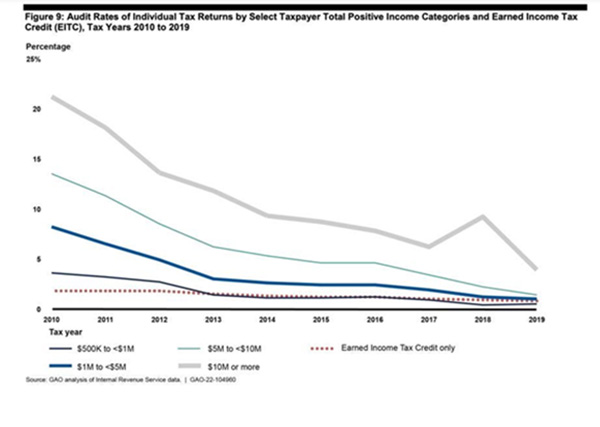



 We’re all feeling the pain at the pump. Unless you decide to walk, bike or take public transportation, you might feel stuck. But all is not lost. Here are some fuel-efficient driving techniques that can help you save hundreds of dollars in fuel each year.
 Thanks to the Great Resignation trend over the past year, there is a high availability of jobs. Therefore, now is a good time for retirees who would like to go back to work to ease into the job market. However, if you’ve already begun drawing Social Security benefits, you should understand how earning income will affect those payouts.
 COVID-19 impacted the economy dramatically and commercial real estate was no exception in terms of decreased values. Often, the real property could no longer service the debt used to finance it. This debt restructuring and resulting debt forgiveness can result in taxable income.
 The Cash Conversion Cycle, also known as the Net Operating Cycle, answers the question, “How many days does it take a company to pay for and generate cash from the sales of its inventory?” However, before an analysis like this can take place, it’s important to consider the company’s primary line of business.
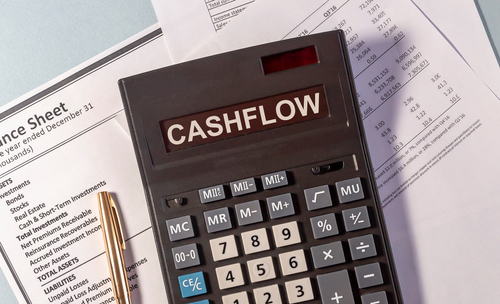 Cash flow awareness is vital in running the day-to-day activities of a business. Keeping track of the inflows and outflows helps a company make better plans and decisions, such as the right time to expand. Cash flow knowledge reveals where a business is spending money and can protect business relations, among other benefits. However, tracking cash flow is a challenge for many businesses.
 You love summer, don’t you? School’s out, and BBQs are on. But what you probably don’t love are those higher air conditioning bills. Here are some tried-and-true ways to help lower the cost of keeping cool.
 Cybersecurity has become more important than ever, especially with the rise in cyberattacks. However, much focus is put on computers, laptops, servers, etc. Mobile phones and tablets seem to be overlooked when talking about cybersecurity.
 If you think saving money is a waste of time, think again. It all comes down to having the right mindset and strategy – even if you don’t have a penny to spare. Here are some ground rules that have proven effective for many. All you have to do is be willing to dive in, change your choices, and revisit the way you approach your finances.
 At the very end of March, the House of Representatives passed a version of the bill known as Secure 2.0. The bill passed the House with overwhelming bipartisan support in a 414-5 vote. The House version still needs to pass in the Senate, where there are differing ideas on exactly what the bill should contain. There is strong support, so it is less of a question of if Secure 2.0 will become law than what exact version.