This metric, which is also referred to as the cash cycle or the net operating cycle, looks at the time a business takes to recover its investment in inventory to eventually sell. The process starts from selling its goods, collecting…
⏱ 3 min read
This metric, which is also referred to as the cash cycle or the net operating cycle, looks at the time a business takes to recover its investment in inventory to eventually sell. The process starts from selling its goods, collecting on outstanding receivables or invoices, and satisfying its operating costs with the sale proceeds. It’s normally measured in days to determine the company’s financial health.
The less time necessary to complete the CCC, the healthier a company is financially because it means the business’ money spends less time tied up in inventory or collecting on outstanding inventory. It’s important to be mindful that different industries have different CCC time frames. Generally speaking, most calculations are done on either a quarterly (90 day) or an annual basis (365 days).
How to Calculate CCC
The formula is as follows:
(CCC) = Days Inventory Outstanding (DIO) + Days Sales Outstanding (DSO) − Days Payable Outstanding (DPO)
It can be broken down into three different stages:
Stage 1
Days Inventory Outstanding (DIO) looks at how many days the inventory takes to sell to customers. It’s calculated as follows:
DIO = (Average Inventory (AI) / COGS) x Time-Frame (In Days)
AI = 1/2 x (BI + FI)
BI = Beginning Inventory
FI = Final Inventory
It’s important to define COGS, taken from the Income Statement, which is Cost of Goods Sold or the costs personally connected to creation of goods or services (raw materials, labor or electricity). The lower the number, the faster a business is selling its goods.
Stage 2
Days Sales Outstanding (DSO) measures the time it takes the business to collect payment from all outstanding sales completed.
DSO = Average Accounts Receivable (AAR) / Daily Revenue
AAR = 1/2 x (SAR + FAR)
SAR = Starting AR
FAR = Final AR
Accounts Receivable are what companies record on their balance sheet to keep track of what customers owe for the goods delivered or services rendered. The lower the results, the better the company’s cash position is because they’re able to satisfy outstanding invoices.
Stage 3
Days Payable Outstanding (DPO) is the third and final stage that calculates how much businesses owe to their suppliers the business has sourced input materials from, within the time frame the suppliers’ invoices are due.
DPO = Average Accounts Payable (AAP) / Daily COGS
Where:
AAP = 0.5 x (SAP + FAP)
SAP = Starting AP
FAP = Final AP
COGS = Cost of Goods Sold
There are different ways to interpret the DPO result. A low DPO means the business is taking care of its bills from suppliers. However, potential investors, internal managers, and supervisors can see if the business can either negotiate lengthier payment terms while still maintaining good terms or if the company negotiates early payment terms or invests the money on a short-term basis to earn more for the company before paying suppliers’ bills. A high DPO, after an investigation of a company’s financials, might show the company is taking longer than its peers to pay creditors.
While calculating the CCC is relatively straightforward, the more complex process is interpreting it correctly and using judgment for a business based on industry averages and how the numbers relate to current economic conditions.
Cash Conversion Cycle (CCC) Defined
November 1, 2024 · Blog, General Business News, News
⏱ 3 min read
This metric, which is also referred to as the cash cycle or the net operating cycle, looks at the time a business takes to recover its investment in inventory to eventually sell. The process starts from selling its goods, collecting on outstanding receivables or invoices, and satisfying its operating costs with the sale proceeds. It’s normally measured in days to determine the company’s financial health.
The less time necessary to complete the CCC, the healthier a company is financially because it means the business’ money spends less time tied up in inventory or collecting on outstanding inventory. It’s important to be mindful that different industries have different CCC time frames. Generally speaking, most calculations are done on either a quarterly (90 day) or an annual basis (365 days).
How to Calculate CCC
The formula is as follows:
(CCC) = Days Inventory Outstanding (DIO) + Days Sales Outstanding (DSO) − Days Payable Outstanding (DPO)
It can be broken down into three different stages:
Stage 1
Days Inventory Outstanding (DIO) looks at how many days the inventory takes to sell to customers. It’s calculated as follows:
DIO = (Average Inventory (AI) / COGS) x Time-Frame (In Days)
AI = 1/2 x (BI + FI)
BI = Beginning Inventory
FI = Final Inventory
It’s important to define COGS, taken from the Income Statement, which is Cost of Goods Sold or the costs personally connected to creation of goods or services (raw materials, labor or electricity). The lower the number, the faster a business is selling its goods.
Stage 2
Days Sales Outstanding (DSO) measures the time it takes the business to collect payment from all outstanding sales completed.
DSO = Average Accounts Receivable (AAR) / Daily Revenue
AAR = 1/2 x (SAR + FAR)
SAR = Starting AR
FAR = Final AR
Accounts Receivable are what companies record on their balance sheet to keep track of what customers owe for the goods delivered or services rendered. The lower the results, the better the company’s cash position is because they’re able to satisfy outstanding invoices.
Stage 3
Days Payable Outstanding (DPO) is the third and final stage that calculates how much businesses owe to their suppliers the business has sourced input materials from, within the time frame the suppliers’ invoices are due.
DPO = Average Accounts Payable (AAP) / Daily COGS
Where:
AAP = 0.5 x (SAP + FAP)
SAP = Starting AP
FAP = Final AP
COGS = Cost of Goods Sold
There are different ways to interpret the DPO result. A low DPO means the business is taking care of its bills from suppliers. However, potential investors, internal managers, and supervisors can see if the business can either negotiate lengthier payment terms while still maintaining good terms or if the company negotiates early payment terms or invests the money on a short-term basis to earn more for the company before paying suppliers’ bills. A high DPO, after an investigation of a company’s financials, might show the company is taking longer than its peers to pay creditors.
While calculating the CCC is relatively straightforward, the more complex process is interpreting it correctly and using judgment for a business based on industry averages and how the numbers relate to current economic conditions.
Disclaimer
These articles provide general information on tax, accounting, and financial topics for small businesses and individuals. They are educational in nature and are not specific legal, accounting, financial, tax, or other professional advice, and should not be relied upon as such. This content was prepared by Service2Client and may have been reviewed or edited by the website owner for accuracy and compliance. Look for a trust mark below for verification details. No representation is made that any approach described will achieve a particular result, and no regulatory or professional body has reviewed or endorsed this content. Because each situation is different, readers should consult a qualified professional about their specific circumstances before acting. Images accompanying these articles are protected by copyright and may not be copied or reused.
It’s that time of year again. Halloween has just come and gone – and now we’re hurtling headlong into Thanksgiving and Christmas. For holiday shopping, it’s tempting to turn a blind eye and put everything on your…
⏱ 4 min read
It’s that time of year again. Halloween has just come and gone – and now we’re hurtling headlong into Thanksgiving and Christmas. For holiday shopping, it’s tempting to turn a blind eye and put everything on your credit cards. However, if you don’t want to have a financial hangover in January, February (and so on), you might want to take a look at these tips.
Create a Budget and Stick To It
The earlier you sit down and do this, the better. Decide on a financial cap per gift per person, then shop. Then, get creative. For instance, what if you bought a pre-loved item for someone? Made something for someone? You might also decide on a gift, then shop around and compare. So, when Black Friday and Prime Days raise their heads, you’ll already have made your selections. More on that below.
Put a Lid on Impulse Buying
This is a tough one. As mentioned above, Prime Day and Black Friday are hard to avoid. They scream at you on your TV and phone scroll, so it’s easy to get off track. If you want to avoid runaway spending, here are two ways to approach these retail spectacles. First, you can keep an eye on which item you want – then plan and research. Buy it when the price is crazy low, and walk away from all the frenzy, all the while tracking your spending. Second, you can dive right in, browse all you want, then put some things in your cart. But don’t buy it then. Come back a day later and decide if the purchase is really necessary. At this moment, you might also imagine the pain you could feel in 2025 with a bunch of debt hanging over your head. Employing this mindset could make all the difference.
Use Your Credit Cards Wisely
According to Jennifer Ellis, senior consumer manager at BOK Financial, credit card debt is on the rise. And with high interest rates, if you do have a balance, you’re going to pay more for your items. Before you set out to buy gifts, try to pay your credit card balances in full to avoid big fees. This way, you won’t carry the burden of a lot of debt into the new year.
Try Envelope Stuffing
This is an old trick, but a good one. Get envelopes, put the name of your giftee on the front, then put the amount of money you’re going to spend in it. Once you’ve used up the cash in the envelope for said person, you’re done. Also, using cash is more startling – you see the money go bye-bye! It’s so easy to gloss over the actual cash amount when you’re using plastic, as it almost doesn’t seem real. Working with real moolah is a tried-and-true technique, a wake-up call that you’ll appreciate.
Plan Early for Travel
Buy your tickets early for Thanksgiving and the December holidays. Monitor airline, bus, and train websites. Set alerts to notify you when the prices go up or down. All it takes is a little time and elbow grease. In the end, it’s worth it.
Most importantly, having a financial plan during this time of year is key. Yes, life is busy, but if you want to step into the new year without carrying the shackles of debt, using some of these ideas might be your saving grace.
It’s that time of year again. Halloween has just come and gone – and now we’re hurtling headlong into Thanksgiving and Christmas. For holiday shopping, it’s tempting to turn a blind eye and put everything on your credit cards. However, if you don’t want to have a financial hangover in January, February (and so on), you might want to take a look at these tips.
Create a Budget and Stick To It
The earlier you sit down and do this, the better. Decide on a financial cap per gift per person, then shop. Then, get creative. For instance, what if you bought a pre-loved item for someone? Made something for someone? You might also decide on a gift, then shop around and compare. So, when Black Friday and Prime Days raise their heads, you’ll already have made your selections. More on that below.
Put a Lid on Impulse Buying
This is a tough one. As mentioned above, Prime Day and Black Friday are hard to avoid. They scream at you on your TV and phone scroll, so it’s easy to get off track. If you want to avoid runaway spending, here are two ways to approach these retail spectacles. First, you can keep an eye on which item you want – then plan and research. Buy it when the price is crazy low, and walk away from all the frenzy, all the while tracking your spending. Second, you can dive right in, browse all you want, then put some things in your cart. But don’t buy it then. Come back a day later and decide if the purchase is really necessary. At this moment, you might also imagine the pain you could feel in 2025 with a bunch of debt hanging over your head. Employing this mindset could make all the difference.
Use Your Credit Cards Wisely
According to Jennifer Ellis, senior consumer manager at BOK Financial, credit card debt is on the rise. And with high interest rates, if you do have a balance, you’re going to pay more for your items. Before you set out to buy gifts, try to pay your credit card balances in full to avoid big fees. This way, you won’t carry the burden of a lot of debt into the new year.
Try Envelope Stuffing
This is an old trick, but a good one. Get envelopes, put the name of your giftee on the front, then put the amount of money you’re going to spend in it. Once you’ve used up the cash in the envelope for said person, you’re done. Also, using cash is more startling – you see the money go bye-bye! It’s so easy to gloss over the actual cash amount when you’re using plastic, as it almost doesn’t seem real. Working with real moolah is a tried-and-true technique, a wake-up call that you’ll appreciate.
Plan Early for Travel
Buy your tickets early for Thanksgiving and the December holidays. Monitor airline, bus, and train websites. Set alerts to notify you when the prices go up or down. All it takes is a little time and elbow grease. In the end, it’s worth it.
Most importantly, having a financial plan during this time of year is key. Yes, life is busy, but if you want to step into the new year without carrying the shackles of debt, using some of these ideas might be your saving grace.
These articles provide general information on tax, accounting, and financial topics for small businesses and individuals. They are educational in nature and are not specific legal, accounting, financial, tax, or other professional advice, and should not be relied upon as such. This content was prepared by Service2Client and may have been reviewed or edited by the website owner for accuracy and compliance. Look for a trust mark below for verification details. No representation is made that any approach described will achieve a particular result, and no regulatory or professional body has reviewed or endorsed this content. Because each situation is different, readers should consult a qualified professional about their specific circumstances before acting. Images accompanying these articles are protected by copyright and may not be copied or reused.
Looking at accounting and journal entry considerations, if accounts receivables are debited, and revenue being credited, it can be interpreted as the business recognizing revenue without the customer…
⏱ 3 min read
Looking at accounting and journal entry considerations, if accounts receivables are debited and revenue is credited, it can be interpreted as the business recognizing revenue without the customer paying. As such, the U.S. Securities and Exchange Commission (SEC) sees the potential for intentional manipulation of earnings. It is important to review this type of transaction to see how the U.S. government and accounting standards treat deviations from these activities.
Defining Bill-and-Hold Arrangements
This type of agreement permits sellers to recognize revenue before delivery is made. Instead of shipping the product first, the seller bills the customer first, and delivery is arranged for a future date.
Based upon Accounting Standards Codification (ASC 606-10-55-83) and the U.S. Securities and Exchange Commission (SEC), for a customer to have obtained control of a product in a bill-and-hold arrangement, they must meet all of the following in order to move ownership of the product to the customer, with the seller still in custody of it.
Customers have explicitly asked for such an arrangement. Purchasers have to demonstrate a material reason for buying the goods through this route.
The goods must be sequestered explicitly for and attributed exclusively to the customer.
Customers must be able to physically receive the goods.
The separated goods are expressly prohibited from being used for any other purposes, including those of other customers.
Purchasers assume all risk.
There’s a written, fixed commitment to buy the goods.
The ultimate delivery of goods must be done according to a set timeline that follows realistic commercial uses.
The finished goods shall be 100 percent finished and be transit prepared.
Illustrating a Bill-and-Hold Arrangement
Companies in commodity-intensive establishments (miners, farmers, etc.) often use heavy equipment to recover and produce outputs. Since a mining or energy company is unsure of the profitability when recovering resources that are price-dependent on dynamic economic conditions, they often enter into a bill-and-hold arrangement with their supplier. Since the steel producer and the drilling company have an existing arrangement with standard terms, there’s an established history of bill-and-hold transactions. If machinery or drilling equipment is fully built for one of these companies, the equipment manufacturer will sequester the equipment and prohibit it from being shipped to any other buyer. Similarly, the invoice for the equipment must be satisfied by the customer in full within 30 days of the equipment being placed and waiting for the resource company buyers. The last step is for the buyer to arrange delivery in a reasonable manner.
Based on this real-world example, revenue should be recognized once it’s set aside exclusively for a particular mining or natural resource extraction company.
Considerations Beyond the Goods Themselves
Goods producers also must determine if there’s a custodial component during a bill-and-hold arrangement. If a custodial arrangement exists, either part of the original cost of goods sold to the customer needs to be determined or a separate charge, and therefore, exclusive recognition of revenue for the custodial services provided should be addressed outside of the bill-and-hold arrangement.
When it comes to revenue recognition under certain circumstances, goods producers may be able to recognize revenue despite the traditional requirement that goods have left a business, and the seller has materially satisfied their traditional requirement for accounting standards.
Breaking Down Bill-and-Hold Arrangements
November 1, 2024 · Accounting News, Blog, News
⏱ 3 min read
Looking at accounting and journal entry considerations, if accounts receivables are debited and revenue is credited, it can be interpreted as the business recognizing revenue without the customer paying. As such, the U.S. Securities and Exchange Commission (SEC) sees the potential for intentional manipulation of earnings. It is important to review this type of transaction to see how the U.S. government and accounting standards treat deviations from these activities.
Defining Bill-and-Hold Arrangements
This type of agreement permits sellers to recognize revenue before delivery is made. Instead of shipping the product first, the seller bills the customer first, and delivery is arranged for a future date.
Based upon Accounting Standards Codification (ASC 606-10-55-83) and the U.S. Securities and Exchange Commission (SEC), for a customer to have obtained control of a product in a bill-and-hold arrangement, they must meet all of the following in order to move ownership of the product to the customer, with the seller still in custody of it.
Customers have explicitly asked for such an arrangement. Purchasers have to demonstrate a material reason for buying the goods through this route.
The goods must be sequestered explicitly for and attributed exclusively to the customer.
Customers must be able to physically receive the goods.
The separated goods are expressly prohibited from being used for any other purposes, including those of other customers.
Purchasers assume all risk.
There’s a written, fixed commitment to buy the goods.
The ultimate delivery of goods must be done according to a set timeline that follows realistic commercial uses.
The finished goods shall be 100 percent finished and be transit prepared.
Illustrating a Bill-and-Hold Arrangement
Companies in commodity-intensive establishments (miners, farmers, etc.) often use heavy equipment to recover and produce outputs. Since a mining or energy company is unsure of the profitability when recovering resources that are price-dependent on dynamic economic conditions, they often enter into a bill-and-hold arrangement with their supplier. Since the steel producer and the drilling company have an existing arrangement with standard terms, there’s an established history of bill-and-hold transactions. If machinery or drilling equipment is fully built for one of these companies, the equipment manufacturer will sequester the equipment and prohibit it from being shipped to any other buyer. Similarly, the invoice for the equipment must be satisfied by the customer in full within 30 days of the equipment being placed and waiting for the resource company buyers. The last step is for the buyer to arrange delivery in a reasonable manner.
Based on this real-world example, revenue should be recognized once it’s set aside exclusively for a particular mining or natural resource extraction company.
Considerations Beyond the Goods Themselves
Goods producers also must determine if there’s a custodial component during a bill-and-hold arrangement. If a custodial arrangement exists, either part of the original cost of goods sold to the customer needs to be determined or a separate charge, and therefore, exclusive recognition of revenue for the custodial services provided should be addressed outside of the bill-and-hold arrangement.
When it comes to revenue recognition under certain circumstances, goods producers may be able to recognize revenue despite the traditional requirement that goods have left a business, and the seller has materially satisfied their traditional requirement for accounting standards.
Disclaimer
These articles provide general information on tax, accounting, and financial topics for small businesses and individuals. They are educational in nature and are not specific legal, accounting, financial, tax, or other professional advice, and should not be relied upon as such. This content was prepared by Service2Client and may have been reviewed or edited by the website owner for accuracy and compliance. Look for a trust mark below for verification details. No representation is made that any approach described will achieve a particular result, and no regulatory or professional body has reviewed or endorsed this content. Because each situation is different, readers should consult a qualified professional about their specific circumstances before acting. Images accompanying these articles are protected by copyright and may not be copied or reused.
According to estimates, inflation adjustments to the internal revenue code are expected to yield increases of 2.8 percent, compared to 2024 amounts. This means wider tax brackets and increased exemptions, among other things. With the…
⏱ 2 min read
According to estimates, inflation adjustments to the Internal Revenue Code are expected to yield increases of 2.8 percent compared to 2024 amounts. This means wider tax brackets and increased exemptions, among other things. With the U.S. Bureau of Labor Statistics consumer price index (CPI) moderating, this increase is about 50 percent less than 2024’s inflation adjustment. Below, we’ll look at what the projected 2025 inflation adjustment means in terms of dollars and cents for you and your taxes.
Individual Income Tax Brackets
The tables below illustrate the individual income tax rates and brackets for 2025.
Individual Income Tax Brackets & Rates: Tax Year 2025
Single Taxpayers
10%
0 – $11,925
12%
$11,926 – $48,475
22%
$48,476 – $103,350
24%
$103,351 – $197,300
32%
$197,301 – $250,525
35%
$250,526 – $626,350
37%
$626,351 and Over
Married Filing Jointly
10%
0 – $23,850
12%
$23,851 – $96,950
22%
$96,951 – $206,700
24%
$206,701 – $394,600
32%
$394,601 – $501,050
35%
$501,051 – $751,600
37%
$751,601 and Over
Married Filing Separately
10%
0 – $11,925
12%
$11,926 – $48,475
22%
$48,476 – $103,350
24%
$103,351 – $197,300
32%
$197,301 – $250,525
35%
$250,526 – $375,800
37%
$375,801 and Over
Heads of Household
10%
0 – $17,000
12%
$17,001- $64,850
22%
$64,851 – $103,350
24%
$103,351 – $197,300
32%
$197,301 – $250,500
35%
$250,501 – $626,350
37%
$626,351 and Over
Trusts & Estates Tax Brackets
The table below illustrates what the income rates and brackets are expected to look like for Trusts and Estates in 2025.
Projected Trusts and Estates Tax Brackets & Rates: Tax Year 2025
10%
0 – $3,150
24%
$3,151- $11,450
35%
$11,451 – $15,650
37%
$15,651 and Over
Standard Deduction Amounts
The table below illustrates what the projected standard deduction amounts will be for 2025, with a comparison to 2024.
Projected Standard Deduction Amounts
2024
2025
Single
$14,600
$15,750
Married Filing Jointly
$29,200
$31,500
Married Filing Separately
$14,600
$15,750
Head of Household
$21,900
$23,625
Alternative Minimum Tax (AMT)
The table below illustrates the anticipated AMT exemptions for 2025.
AMT Exemption Amounts Tax Year 2025
Single
$88,100
Married Filing Jointly
$137,000
Married Filing Separately
$68,500
Trust & Estates
$30,700
Capital Gains
The rates applied to long-term capital gains are not expected to change for 2025; however, the brackets that apply to different rates will expand. Note that, in considering the table below, a 20 percent tax rate applies to capital gains that are over the 37 percent ordinary tax rate threshold. Furthermore, capital gains on art and collectibles are subject to other exceptions.
Maximum Capital Gains Rates for 2025
Zero Rate
15% Rate
Single
$48,350
$533,400
Married Filing Jointly
$96,700
$600,050
Married Filing Separately
$48,350
$300,000
Head of Household
$64,750
$566,700
Trusts & Estates
$3,250
$15,900
Conclusion
First, it’s important to remember that all the figures above are only projections. The IRS will not publish the official numbers until later this year. Moreover, as these rates and brackets have increased, they have done so significantly less than in 2024 and 2023, largely driven by lower inflation.
2025 Federal Income Tax Brackets
November 1, 2024 · Blog, News, Tax and Financial News
⏱ 2 min read
According to estimates, inflation adjustments to the Internal Revenue Code are expected to yield increases of 2.8 percent compared to 2024 amounts. This means wider tax brackets and increased exemptions, among other things. With the U.S. Bureau of Labor Statistics consumer price index (CPI) moderating, this increase is about 50 percent less than 2024’s inflation adjustment. Below, we’ll look at what the projected 2025 inflation adjustment means in terms of dollars and cents for you and your taxes.
Individual Income Tax Brackets
The tables below illustrate the individual income tax rates and brackets for 2025.
Individual Income Tax Brackets & Rates: Tax Year 2025
Single Taxpayers
10%
0 – $11,925
12%
$11,926 – $48,475
22%
$48,476 – $103,350
24%
$103,351 – $197,300
32%
$197,301 – $250,525
35%
$250,526 – $626,350
37%
$626,351 and Over
Married Filing Jointly
10%
0 – $23,850
12%
$23,851 – $96,950
22%
$96,951 – $206,700
24%
$206,701 – $394,600
32%
$394,601 – $501,050
35%
$501,051 – $751,600
37%
$751,601 and Over
Married Filing Separately
10%
0 – $11,925
12%
$11,926 – $48,475
22%
$48,476 – $103,350
24%
$103,351 – $197,300
32%
$197,301 – $250,525
35%
$250,526 – $375,800
37%
$375,801 and Over
Heads of Household
10%
0 – $17,000
12%
$17,001- $64,850
22%
$64,851 – $103,350
24%
$103,351 – $197,300
32%
$197,301 – $250,500
35%
$250,501 – $626,350
37%
$626,351 and Over
Trusts & Estates Tax Brackets
The table below illustrates what the income rates and brackets are expected to look like for Trusts and Estates in 2025.
Projected Trusts and Estates Tax Brackets & Rates: Tax Year 2025
10%
0 – $3,150
24%
$3,151- $11,450
35%
$11,451 – $15,650
37%
$15,651 and Over
Standard Deduction Amounts
The table below illustrates what the projected standard deduction amounts will be for 2025, with a comparison to 2024.
Projected Standard Deduction Amounts
2024
2025
Single
$14,600
$15,750
Married Filing Jointly
$29,200
$31,500
Married Filing Separately
$14,600
$15,750
Head of Household
$21,900
$23,625
Alternative Minimum Tax (AMT)
The table below illustrates the anticipated AMT exemptions for 2025.
AMT Exemption Amounts Tax Year 2025
Single
$88,100
Married Filing Jointly
$137,000
Married Filing Separately
$68,500
Trust & Estates
$30,700
Capital Gains
The rates applied to long-term capital gains are not expected to change for 2025; however, the brackets that apply to different rates will expand. Note that, in considering the table below, a 20 percent tax rate applies to capital gains that are over the 37 percent ordinary tax rate threshold. Furthermore, capital gains on art and collectibles are subject to other exceptions.
Maximum Capital Gains Rates for 2025
Zero Rate
15% Rate
Single
$48,350
$533,400
Married Filing Jointly
$96,700
$600,050
Married Filing Separately
$48,350
$300,000
Head of Household
$64,750
$566,700
Trusts & Estates
$3,250
$15,900
Conclusion
First, it’s important to remember that all the figures above are only projections. The IRS will not publish the official numbers until later this year. Moreover, as these rates and brackets have increased, they have done so significantly less than in 2024 and 2023, largely driven by lower inflation.
Disclaimer
These articles provide general information on tax, accounting, and financial topics for small businesses and individuals. They are educational in nature and are not specific legal, accounting, financial, tax, or other professional advice, and should not be relied upon as such. This content was prepared by Service2Client and may have been reviewed or edited by the website owner for accuracy and compliance. Look for a trust mark below for verification details. No representation is made that any approach described will achieve a particular result, and no regulatory or professional body has reviewed or endorsed this content. Because each situation is different, readers should consult a qualified professional about their specific circumstances before acting. Images accompanying these articles are protected by copyright and may not be copied or reused.
The value of an estate plan is twofold. Yes, you want to pass your assets on to heirs in a seamless and tax-efficient manner. But it is also a roadmap to help your heirs understand the full breadth of your assets, where…
⏱ 5 min read
Step 5: Estate Plan
The value of an estate plan is twofold. Yes, you want to pass your assets on to heirs in a seamless and tax-efficient manner. But it is also a roadmap to help your heirs understand the full breadth of your assets, where they are located, and how they should be disseminated according to your wishes.
Two important components of your estate plan come into play before you pass away. The first is a Power of Attorney. This document appoints someone you trust – a relative, a friend or a custodial like a bank – to handle your finances on your behalf should you become incapacitated. The second is a Health Care Directive, in which you name someone to make medical decisions for you when you no longer can. To accompany this document, you also may want to complete a living will, generally a boilerplate form that lets medical providers know if you want to forgo life-saving procedures and treatments if you’re in a terminal condition, a coma or near the end of life. Also known as a DNR (do not resuscitate), this document dictates your wishes rather than placing the burden on someone else.
Write a Last Will and Testament
The more complex the estate, the more likely you will need an estate attorney to help you. However, in many cases, an individual can create a will on his own using state-provided forms. The most important thing to remember is that each state has its own requirements regarding wills, such as whether it can be handwritten or even digital and who and how it should be witnessed and possibly notarized. Every time you move to another state throughout your lifetime, you’ll need to update or replace your will to reflect your new home state’s rules.
Your will should name an executor or personal representative in charge of executing the will’s instructions. If you are not married and have minor children, you’ll need to name a guardian for them once you’re deceased. Note that while the age of majority is generally 18, this can vary by state or jurisdiction. Your will should instruct how your assets should be disseminated and to whom, including contingent beneficiaries (should your first choice die before you), and specifically name anyone whom you don’t want to receive proceeds. For example, without a will as a guide, a probate judge may decide that a step-brother should receive your assets instead of your best friend since he is technically a relative.
Be aware that the beneficiary designations on your accounts (e.g., bank, investment, insurance policies) supersede instructions in your will. For example, if you want your second wife to be the sole beneficiary of your assets but forget to change her as the beneficiary on your 401(k) account, your ex will get the payout. That’s the same for all of your accounts with a named beneficiary, so every time you remarry or experience other life-altering events, be sure to review your account beneficiaries and estate plan documents.
Also, make it easy for your executor to find the documents needed to liquidate and/or transfer assets. A simple way to do this is to keep a three-ring binder or file drawer that houses documents/statements for each of your assets, including banking and investment accounts, former and current employer retirement plans, life insurance policies, annuities, real estate property records, etc. If you have a home or property that needs to be sold with proceeds split among your heirs, you should keep records to help establish the property’s cost basis. This includes the sale price and closing expenses from when you purchased the home, as well as the cost of any major repairs or renovations (e.g., new roof, HVAC, additional rooms). When the house is sold, the amount of the sale price minus the cost basis will determine whether or not capital gains need to be paid. Note that taxes on property and investments will need to be paid before assets can be disseminated to your heirs.
Your will is designed to guide a probate judge so that your estate can be settled quickly. However, if you want your heirs to have access to your assets without being subject to probate, consider naming them as joint account owners on your bank and investment accounts as well as the deeds to your properties.
With larger or more complex estates, you might want to consider a trust. Estate planning trusts vary by the type of beneficiary, payout structure, and tax benefit. A trust avoids probate and can help minimize the tax burden on your accumulated assets. Bear in mind that there are dozens of different types of trusts for different circumstances, so it’s important to work with an experienced estate attorney to determine what works best for your situation.
Remember, your estate plan should be a living document that is reviewed and updated every few years to incorporate any new changes in your life, including marriage, children, divorce, and death.
Pre-Retirement Planning Guide Estate Plan
October 1, 2024 · Blog, Financial Planning, News
⏱ 5 min read
Step 5: Estate Plan
The value of an estate plan is twofold. Yes, you want to pass your assets on to heirs in a seamless and tax-efficient manner. But it is also a roadmap to help your heirs understand the full breadth of your assets, where they are located, and how they should be disseminated according to your wishes.
Two important components of your estate plan come into play before you pass away. The first is a Power of Attorney. This document appoints someone you trust – a relative, a friend or a custodial like a bank – to handle your finances on your behalf should you become incapacitated. The second is a Health Care Directive, in which you name someone to make medical decisions for you when you no longer can. To accompany this document, you also may want to complete a living will, generally a boilerplate form that lets medical providers know if you want to forgo life-saving procedures and treatments if you’re in a terminal condition, a coma or near the end of life. Also known as a DNR (do not resuscitate), this document dictates your wishes rather than placing the burden on someone else.
Write a Last Will and Testament
The more complex the estate, the more likely you will need an estate attorney to help you. However, in many cases, an individual can create a will on his own using state-provided forms. The most important thing to remember is that each state has its own requirements regarding wills, such as whether it can be handwritten or even digital and who and how it should be witnessed and possibly notarized. Every time you move to another state throughout your lifetime, you’ll need to update or replace your will to reflect your new home state’s rules.
Your will should name an executor or personal representative in charge of executing the will’s instructions. If you are not married and have minor children, you’ll need to name a guardian for them once you’re deceased. Note that while the age of majority is generally 18, this can vary by state or jurisdiction. Your will should instruct how your assets should be disseminated and to whom, including contingent beneficiaries (should your first choice die before you), and specifically name anyone whom you don’t want to receive proceeds. For example, without a will as a guide, a probate judge may decide that a step-brother should receive your assets instead of your best friend since he is technically a relative.
Be aware that the beneficiary designations on your accounts (e.g., bank, investment, insurance policies) supersede instructions in your will. For example, if you want your second wife to be the sole beneficiary of your assets but forget to change her as the beneficiary on your 401(k) account, your ex will get the payout. That’s the same for all of your accounts with a named beneficiary, so every time you remarry or experience other life-altering events, be sure to review your account beneficiaries and estate plan documents.
Also, make it easy for your executor to find the documents needed to liquidate and/or transfer assets. A simple way to do this is to keep a three-ring binder or file drawer that houses documents/statements for each of your assets, including banking and investment accounts, former and current employer retirement plans, life insurance policies, annuities, real estate property records, etc. If you have a home or property that needs to be sold with proceeds split among your heirs, you should keep records to help establish the property’s cost basis. This includes the sale price and closing expenses from when you purchased the home, as well as the cost of any major repairs or renovations (e.g., new roof, HVAC, additional rooms). When the house is sold, the amount of the sale price minus the cost basis will determine whether or not capital gains need to be paid. Note that taxes on property and investments will need to be paid before assets can be disseminated to your heirs.
Your will is designed to guide a probate judge so that your estate can be settled quickly. However, if you want your heirs to have access to your assets without being subject to probate, consider naming them as joint account owners on your bank and investment accounts as well as the deeds to your properties.
With larger or more complex estates, you might want to consider a trust. Estate planning trusts vary by the type of beneficiary, payout structure, and tax benefit. A trust avoids probate and can help minimize the tax burden on your accumulated assets. Bear in mind that there are dozens of different types of trusts for different circumstances, so it’s important to work with an experienced estate attorney to determine what works best for your situation.
Remember, your estate plan should be a living document that is reviewed and updated every few years to incorporate any new changes in your life, including marriage, children, divorce, and death.
Disclaimer
These articles provide general information on tax, accounting, and financial topics for small businesses and individuals. They are educational in nature and are not specific legal, accounting, financial, tax, or other professional advice, and should not be relied upon as such. This content was prepared by Service2Client and may have been reviewed or edited by the website owner for accuracy and compliance. Look for a trust mark below for verification details. No representation is made that any approach described will achieve a particular result, and no regulatory or professional body has reviewed or endorsed this content. Because each situation is different, readers should consult a qualified professional about their specific circumstances before acting. Images accompanying these articles are protected by copyright and may not be copied or reused.
Former President and current candidate Donald Trump introduced a new policy of his in a recent Arizona rally: No more income tax on overtime pay. This follows both Trump and…
⏱ 4 min read
Former President and current candidate Donald Trump introduced a new policy of his in a recent Arizona rally: No more income tax on overtime pay. This follows both Trump and Vice President Harris’ proposal for a no income tax on tips policy, as well.
Below we will look at the two recent proposals and what they could mean for both taxpayers and businesses.
No Tax on Tips
The no tax on tips policy looks to lighten the tax burden on service industry workers. According to the Fair Labor and Standards Act, anyone who “customarily and regularly” receives $30 or more in tips per month is considered a tipped worker. The mechanism to exempt tip income could possibly come through three different mechanisms.
One option would be to categorize tips as gifts. Service employees are often paid wages lower than the minimum wage (as low as $2.31 per hour), with employers required to “top-up” an employee to the federal minimum wage of $7.25 if tips don’t at least make up the difference themselves. As a result, considering tips as gifts may not legally work.
A second option is to treat a specified amount of tips as non-taxable income. Consider a policy, for example, in which up to $25,000 in tips is treated as non-taxable income. Legally, this is straightforward, but it could have various knock-off effects on those it is intended to help. For example, a taxpayer’s gross income could fall so low they no longer qualify for the earned income tax credit and end up being a net negative.
Finally, there is a third option of creating a new deduction; allowing taxpayers to first claim the income and then take a deduction to offset it. The issue here is that given the claimed income level of most tipped workers, an additional deduction may not be one-for-one incrementally beneficial to the standard deduction. In other words, so much of their income is already non-taxable, this wouldn’t make much of a difference.
Side-Effects
Depending on how the policy is structured, there are negative side effects that could accompany the policy change. Compliance with reporting tip income is already spotty at best. It’s not uncommon for tipped workers to underreport their tip income, especially for cash tips. The main concern is that employers and employees may try to game the system. There is a real chance that who is tipped changes and people may try to change compensation schemes so that other types of income are then changed to tip income to take advantage of the changes; especially for taxpayers for whom the law was never intended to help.
Non-Taxable Overtime
The second proposal is to exempt overtime wages from income taxation. The idea is that it would help workers who get to keep more of their money; and at the same time helping businesses, since employees would be incentivized to work more hours, thereby negating the need to hire more employees. While on the surface it seems like a policy to help the hardest working, there are potential problems.
Unfair to Regular Wage Earners
There are two possible issues. First, it leaves behind hourly workers who cannot work overtime due to other responsibilities, health or their job’s duties. It also disadvantages those who have to work multiple jobs (because their job doesn’t offer overtime, but they need the money).
Second, it doesn’t consider salaried positions. There are many salaried positions, where workers are exempt from overtime laws – and a large swath of these are not highly paid positions.
Administrative Complications
Employers and the IRS would need to deal with distinguishing between regular wages and overtime earnings. What is considered overtime is not always clear when there are pay concepts such as bonuses, shift differentials, commissions or other alternative payment arrangements. It would also add significant complexity to payroll systems.
Conclusion
While both policies are well intended, the devil is in the details. Implementation would need to be carefully considered; the intended taxpayers might not be the main beneficiaries; and there is room for fraud.
The New Era of “No Tax” Policies: Selective Tax Exemptions and Their Side Effects
October 1, 2024 · Blog, News, Tax and Financial News
⏱ 4 min read
Former President and current candidate Donald Trump introduced a new policy of his in a recent Arizona rally: No more income tax on overtime pay. This follows both Trump and Vice President Harris’ proposal for a no income tax on tips policy, as well.
Below we will look at the two recent proposals and what they could mean for both taxpayers and businesses.
No Tax on Tips
The no tax on tips policy looks to lighten the tax burden on service industry workers. According to the Fair Labor and Standards Act, anyone who “customarily and regularly” receives $30 or more in tips per month is considered a tipped worker. The mechanism to exempt tip income could possibly come through three different mechanisms.
One option would be to categorize tips as gifts. Service employees are often paid wages lower than the minimum wage (as low as $2.31 per hour), with employers required to “top-up” an employee to the federal minimum wage of $7.25 if tips don’t at least make up the difference themselves. As a result, considering tips as gifts may not legally work.
A second option is to treat a specified amount of tips as non-taxable income. Consider a policy, for example, in which up to $25,000 in tips is treated as non-taxable income. Legally, this is straightforward, but it could have various knock-off effects on those it is intended to help. For example, a taxpayer’s gross income could fall so low they no longer qualify for the earned income tax credit and end up being a net negative.
Finally, there is a third option of creating a new deduction; allowing taxpayers to first claim the income and then take a deduction to offset it. The issue here is that given the claimed income level of most tipped workers, an additional deduction may not be one-for-one incrementally beneficial to the standard deduction. In other words, so much of their income is already non-taxable, this wouldn’t make much of a difference.
Side-Effects
Depending on how the policy is structured, there are negative side effects that could accompany the policy change. Compliance with reporting tip income is already spotty at best. It’s not uncommon for tipped workers to underreport their tip income, especially for cash tips. The main concern is that employers and employees may try to game the system. There is a real chance that who is tipped changes and people may try to change compensation schemes so that other types of income are then changed to tip income to take advantage of the changes; especially for taxpayers for whom the law was never intended to help.
Non-Taxable Overtime
The second proposal is to exempt overtime wages from income taxation. The idea is that it would help workers who get to keep more of their money; and at the same time helping businesses, since employees would be incentivized to work more hours, thereby negating the need to hire more employees. While on the surface it seems like a policy to help the hardest working, there are potential problems.
Unfair to Regular Wage Earners
There are two possible issues. First, it leaves behind hourly workers who cannot work overtime due to other responsibilities, health or their job’s duties. It also disadvantages those who have to work multiple jobs (because their job doesn’t offer overtime, but they need the money).
Second, it doesn’t consider salaried positions. There are many salaried positions, where workers are exempt from overtime laws – and a large swath of these are not highly paid positions.
Administrative Complications
Employers and the IRS would need to deal with distinguishing between regular wages and overtime earnings. What is considered overtime is not always clear when there are pay concepts such as bonuses, shift differentials, commissions or other alternative payment arrangements. It would also add significant complexity to payroll systems.
Conclusion
While both policies are well intended, the devil is in the details. Implementation would need to be carefully considered; the intended taxpayers might not be the main beneficiaries; and there is room for fraud.
Disclaimer
These articles provide general information on tax, accounting, and financial topics for small businesses and individuals. They are educational in nature and are not specific legal, accounting, financial, tax, or other professional advice, and should not be relied upon as such. This content was prepared by Service2Client and may have been reviewed or edited by the website owner for accuracy and compliance. Look for a trust mark below for verification details. No representation is made that any approach described will achieve a particular result, and no regulatory or professional body has reviewed or endorsed this content. Because each situation is different, readers should consult a qualified professional about their specific circumstances before acting. Images accompanying these articles are protected by copyright and may not be copied or reused.
As technology evolves, so have data breaches, which have become a significant threat to businesses of all sizes. We frequently hear reports of high-profile attacks on major organizations, global corporations, and even government…
⏱ 4 min read
As technology evolves, so have data breaches, which have become a significant threat to businesses of all sizes. We frequently hear reports of high-profile attacks on major organizations, global corporations, and even government agencies. Emerging technologies such as generative artificial intelligence and machine learning make cybersecurity more challenging. They enable cybercriminals to automate attacks, create sophisticated phishing schemes, and develop advanced malware to evade traditional security measures. Hence, companies have no choice but to change how they approach cybersecurity.
To deal with these modern threats, Zero Trust security models are gaining widespread adoption as the preferred standard for effectively protecting against data breaches.
What is Zero Trust?
Zero Trust is a cybersecurity framework based on the “never trust, always verify” principle. Unlike traditional models that grant access based on network location, Zero Trust requires continuous verification of each user, device, and application attempting to access resources.
Instead of assuming that someone within the network can be trusted, Zero Trust demands constant authentication and least-privilege access. This means users are granted access to only the data and resources they need to perform their tasks. Basically, every interaction is assumed to be a breach.
How Zero Trust Differs from Traditional Security Models
Historically, businesses operated on a “perimeter-based” approach – trusting everything inside their network and guarding against threats from the outside. However, the once-clear network boundary has become unclear with the rise in remote work, cloud computing, and mobile devices. Breaches today can occur internally, often by compromised accounts, rogue insiders, or lateral movement of malware.
Cyberthreats have become such a huge problem that the U.S. government issued an executive order to help improve the nation’s cyber security by mandating that federal agencies adopt the Zero Trust architecture. This further pushes businesses to rethink their cybersecurity strategies.
Key Components of a Zero Trust Model
Zero Trust models are built on several core principles:
Continuous verification – Authentication is ongoing, requiring verification for every request made by a user or device.
Least-privilege access – Users receive only the minimum level of access needed to perform their jobs.
Micro-segmentation – Networks are divided into smaller zones, limiting the lateral movement of potential threats.
Contextual monitoring – Continuous monitoring of users and devices based on context – such as location, device health, and behavior – to identify abnormal activities.
Multi-factor authentication (MFA) – MFA requires users to provide two or more forms of authentication, such as a password combined with a biometric factor or a security token.
Encryption – All data must be encrypted to protect it from unauthorized access or interception. Encryption ensures that even if attackers manage to capture data, they cannot read or exploit it without the appropriate decryption keys.
Access Controls – Applying strict policies to determine who can access specific data and systems based on their role and identity.
Benefits of Zero Trust
Stronger protection against data breaches – Zero Trust models significantly reduce the risk of data breaches by enforcing strict identity verification and limiting access to only necessary resources. Even if an attacker gains entry, micro-segmentation ensures limited movement, containing threats, and minimizing damage.
Enhanced regulatory compliance – Zero Trust helps businesses meet regulatory requirements like GDPR and HIPAA by enforcing strict access controls and continuous monitoring. This approach simplifies compliance and ensures that only authorized users can access sensitive data, reducing the risk of fines.
Improved visibility and control – With continuous monitoring, Zero Trust provides better visibility into network activity, making detecting suspicious behavior in real-time easier. This added control enhances security and operational efficiency, allowing immediate responses to potential threats.
Reduction of insider threats – Zero Trust minimizes insider threats by requiring strict identity verification and limiting access, even for internal users. This makes it harder for malicious insiders or compromised accounts to cause significant damage within the network.
Support for remote work and cloud environments – Zero Trust offers safe access to resources from any location. This flexibility ensures that businesses maintain strong security for both in-office and remote teams.
Conclusion
Zero Trust security models represent a significant shift from traditional perimeter-based defenses to a more dynamic and resilient approach. For business owners, adopting Zero Trust principles can provide peace of mind and enhanced protection in today’s unpredictable cyber landscape. With time, emerging technologies like artificial intelligence, IoT, and cloud computing will continue to shape the evolution of Zero Trust, making it an essential part of a robust cybersecurity strategy.
Zero Trust Security Models: The New Standard Against Data Breaches?
October 1, 2024 · Blog, News, What's New in Technology
⏱ 4 min read
As technology evolves, so have data breaches, which have become a significant threat to businesses of all sizes. We frequently hear reports of high-profile attacks on major organizations, global corporations, and even government agencies. Emerging technologies such as generative artificial intelligence and machine learning make cybersecurity more challenging. They enable cybercriminals to automate attacks, create sophisticated phishing schemes, and develop advanced malware to evade traditional security measures. Hence, companies have no choice but to change how they approach cybersecurity.
To deal with these modern threats, Zero Trust security models are gaining widespread adoption as the preferred standard for effectively protecting against data breaches.
What is Zero Trust?
Zero Trust is a cybersecurity framework based on the “never trust, always verify” principle. Unlike traditional models that grant access based on network location, Zero Trust requires continuous verification of each user, device, and application attempting to access resources.
Instead of assuming that someone within the network can be trusted, Zero Trust demands constant authentication and least-privilege access. This means users are granted access to only the data and resources they need to perform their tasks. Basically, every interaction is assumed to be a breach.
How Zero Trust Differs from Traditional Security Models
Historically, businesses operated on a “perimeter-based” approach – trusting everything inside their network and guarding against threats from the outside. However, the once-clear network boundary has become unclear with the rise in remote work, cloud computing, and mobile devices. Breaches today can occur internally, often by compromised accounts, rogue insiders, or lateral movement of malware.
Cyberthreats have become such a huge problem that the U.S. government issued an executive order to help improve the nation’s cyber security by mandating that federal agencies adopt the Zero Trust architecture. This further pushes businesses to rethink their cybersecurity strategies.
Key Components of a Zero Trust Model
Zero Trust models are built on several core principles:
Continuous verification – Authentication is ongoing, requiring verification for every request made by a user or device.
Least-privilege access – Users receive only the minimum level of access needed to perform their jobs.
Micro-segmentation – Networks are divided into smaller zones, limiting the lateral movement of potential threats.
Contextual monitoring – Continuous monitoring of users and devices based on context – such as location, device health, and behavior – to identify abnormal activities.
Multi-factor authentication (MFA) – MFA requires users to provide two or more forms of authentication, such as a password combined with a biometric factor or a security token.
Encryption – All data must be encrypted to protect it from unauthorized access or interception. Encryption ensures that even if attackers manage to capture data, they cannot read or exploit it without the appropriate decryption keys.
Access Controls – Applying strict policies to determine who can access specific data and systems based on their role and identity.
Benefits of Zero Trust
Stronger protection against data breaches – Zero Trust models significantly reduce the risk of data breaches by enforcing strict identity verification and limiting access to only necessary resources. Even if an attacker gains entry, micro-segmentation ensures limited movement, containing threats, and minimizing damage.
Enhanced regulatory compliance – Zero Trust helps businesses meet regulatory requirements like GDPR and HIPAA by enforcing strict access controls and continuous monitoring. This approach simplifies compliance and ensures that only authorized users can access sensitive data, reducing the risk of fines.
Improved visibility and control – With continuous monitoring, Zero Trust provides better visibility into network activity, making detecting suspicious behavior in real-time easier. This added control enhances security and operational efficiency, allowing immediate responses to potential threats.
Reduction of insider threats – Zero Trust minimizes insider threats by requiring strict identity verification and limiting access, even for internal users. This makes it harder for malicious insiders or compromised accounts to cause significant damage within the network.
Support for remote work and cloud environments – Zero Trust offers safe access to resources from any location. This flexibility ensures that businesses maintain strong security for both in-office and remote teams.
Conclusion
Zero Trust security models represent a significant shift from traditional perimeter-based defenses to a more dynamic and resilient approach. For business owners, adopting Zero Trust principles can provide peace of mind and enhanced protection in today’s unpredictable cyber landscape. With time, emerging technologies like artificial intelligence, IoT, and cloud computing will continue to shape the evolution of Zero Trust, making it an essential part of a robust cybersecurity strategy.
Disclaimer
These articles provide general information on tax, accounting, and financial topics for small businesses and individuals. They are educational in nature and are not specific legal, accounting, financial, tax, or other professional advice, and should not be relied upon as such. This content was prepared by Service2Client and may have been reviewed or edited by the website owner for accuracy and compliance. Look for a trust mark below for verification details. No representation is made that any approach described will achieve a particular result, and no regulatory or professional body has reviewed or endorsed this content. Because each situation is different, readers should consult a qualified professional about their specific circumstances before acting. Images accompanying these articles are protected by copyright and may not be copied or reused.
Analyzing a company’s Accounts Receivables is an effective way to measure its current cash flows and the likelihood of maintaining healthy cash flows. According to the U.S. Chamber of Commerce’s Small Business Index (Third Quarter 2024), 68 percent…
⏱ 4 min read
Analyzing a company’s Accounts Receivables is an effective way to measure its current cash flows and the likelihood of maintaining healthy cash flows. According to the U.S. Chamber of Commerce’s Small Business Index (Third Quarter 2024), 68 percent of small business owners reported being content with their third quarter cash flow performance. This illustrates the importance for small business owners to do everything possible to maintain healthy cash flows, including evaluating the quality of accounts receivables (A/R).
Defining Accounts Receivables
This account or line item on the balance sheet gives the business’ managers/owners and investors a measure on how much money a business expects to receive from selling goods or services. It’s an important metric because it’s a measure of what’s owed, but not yet collected from rendered services/goods.
Consideration for Uncollectable Accounts Receivables
While businesses hope to collect 100 percent of their A/Rs, businesses take a realistic view that not everyone will pay up. For whatever reason, A/Rs aren’t always collected and must be accounted for as uncollectable. Therefore, a contra account is setup to account for accounts receivables that turn into bad debt. This contra account is linked to the accounts receivable, an asset reported on the balance sheet, offsetting the accounts receivable balance. However, there are many metrics for companies to manage their health internally, and some of these metrics are discussed below.
Accounts Receivable-to-Sales Ratio
This is determined by taking a “snapshot” of the ratio or division of the accounts receivables divided by sales over a period of time. The resulting calculation is the percentage of a business’ unpaid sales. The higher the accounts receivable-to-sales ratio, the riskier the company’s financial health. It indicates a business has accounts receivables with a low likelihood of being collected. It’s calculated as follows:
AR to Sales = AR / Sales
Since it measures the mix of how much a business relies on cash versus credit, it can prompt an analyst to determine whether a company is able to operate on minimal cash with low fixed costs and limited outstanding debt. It can also prompt an analyst to determine if a company is subject to cyclical sales and is dependent on the business cycle and whether it’s the right time to invest in a company or hold off until a better entry point is established.
Accounts Receivable Turnover Ratio
This calculation determines how fast a business can convert its accounts receivables into cash. It calculates this over a discrete period, be it a month, quarter, year, etc. It’s calculated as the sales over a period divided by the average accounts receivables balance over the same period. It’s calculated as follows:
ARTR = Net Credit Sales / Average Accounts Receivable
Net Credit Sales = Sales on Credit – Sales Returns – Sales Allowances
Average Accounts Receivable = (Starting + Ending A/R Over a Fixed Time) / 2
The higher the ratio, the less friction businesses have in converting their accounts receivables into cash. One important consideration to keep in mind is that if total sales are used for this calculation, which some business do, the results don’t reflect the original formula because it doesn’t remove the sales on credit or sales allowances.
Days Sales Outstanding (DSO)
This metric reveals how fast (in average number of days) a company is able to turn its receivables into cash. It’s the average accounts receivables divided by net credit sales multiplied by 365. It’s calculated as follows:
DSO = (A/R / net credit sales) x 365 days
The lower the DSO, the better quality and the more efficient a company is in converting its accounts receivables into cash. The higher the DSO, and especially when it goes beyond 90 days, can represent two different financial measures. The first is that the business’ accounts receivables might not be collectable. The second is that the company might be able to make sales but with deteriorating earnings.
While there are many ways to analyze a company’s health, along with many ways to analyze the quality of existing and future accounts receivables, these are a few ways to evaluate a company’s present financial health and prospects for the future.
Sources
https://www.uschamber.com/sbindex/key-findings
How to Measure the Quality of Accounts Receivable
October 1, 2024 · Blog, General Business News, News
⏱ 4 min read
Analyzing a company’s Accounts Receivables is an effective way to measure its current cash flows and the likelihood of maintaining healthy cash flows. According to the U.S. Chamber of Commerce’s Small Business Index (Third Quarter 2024), 68 percent of small business owners reported being content with their third quarter cash flow performance. This illustrates the importance for small business owners to do everything possible to maintain healthy cash flows, including evaluating the quality of accounts receivables (A/R).
Defining Accounts Receivables
This account or line item on the balance sheet gives the business’ managers/owners and investors a measure on how much money a business expects to receive from selling goods or services. It’s an important metric because it’s a measure of what’s owed, but not yet collected from rendered services/goods.
Consideration for Uncollectable Accounts Receivables
While businesses hope to collect 100 percent of their A/Rs, businesses take a realistic view that not everyone will pay up. For whatever reason, A/Rs aren’t always collected and must be accounted for as uncollectable. Therefore, a contra account is setup to account for accounts receivables that turn into bad debt. This contra account is linked to the accounts receivable, an asset reported on the balance sheet, offsetting the accounts receivable balance. However, there are many metrics for companies to manage their health internally, and some of these metrics are discussed below.
Accounts Receivable-to-Sales Ratio
This is determined by taking a “snapshot” of the ratio or division of the accounts receivables divided by sales over a period of time. The resulting calculation is the percentage of a business’ unpaid sales. The higher the accounts receivable-to-sales ratio, the riskier the company’s financial health. It indicates a business has accounts receivables with a low likelihood of being collected. It’s calculated as follows:
AR to Sales = AR / Sales
Since it measures the mix of how much a business relies on cash versus credit, it can prompt an analyst to determine whether a company is able to operate on minimal cash with low fixed costs and limited outstanding debt. It can also prompt an analyst to determine if a company is subject to cyclical sales and is dependent on the business cycle and whether it’s the right time to invest in a company or hold off until a better entry point is established.
Accounts Receivable Turnover Ratio
This calculation determines how fast a business can convert its accounts receivables into cash. It calculates this over a discrete period, be it a month, quarter, year, etc. It’s calculated as the sales over a period divided by the average accounts receivables balance over the same period. It’s calculated as follows:
ARTR = Net Credit Sales / Average Accounts Receivable
Net Credit Sales = Sales on Credit – Sales Returns – Sales Allowances
Average Accounts Receivable = (Starting + Ending A/R Over a Fixed Time) / 2
The higher the ratio, the less friction businesses have in converting their accounts receivables into cash. One important consideration to keep in mind is that if total sales are used for this calculation, which some business do, the results don’t reflect the original formula because it doesn’t remove the sales on credit or sales allowances.
Days Sales Outstanding (DSO)
This metric reveals how fast (in average number of days) a company is able to turn its receivables into cash. It’s the average accounts receivables divided by net credit sales multiplied by 365. It’s calculated as follows:
DSO = (A/R / net credit sales) x 365 days
The lower the DSO, the better quality and the more efficient a company is in converting its accounts receivables into cash. The higher the DSO, and especially when it goes beyond 90 days, can represent two different financial measures. The first is that the business’ accounts receivables might not be collectable. The second is that the company might be able to make sales but with deteriorating earnings.
While there are many ways to analyze a company’s health, along with many ways to analyze the quality of existing and future accounts receivables, these are a few ways to evaluate a company’s present financial health and prospects for the future.
Sources
https://www.uschamber.com/sbindex/key-findings
Disclaimer
These articles provide general information on tax, accounting, and financial topics for small businesses and individuals. They are educational in nature and are not specific legal, accounting, financial, tax, or other professional advice, and should not be relied upon as such. This content was prepared by Service2Client and may have been reviewed or edited by the website owner for accuracy and compliance. Look for a trust mark below for verification details. No representation is made that any approach described will achieve a particular result, and no regulatory or professional body has reviewed or endorsed this content. Because each situation is different, readers should consult a qualified professional about their specific circumstances before acting. Images accompanying these articles are protected by copyright and may not be copied or reused.
With more than 14 million electric vehicle (EV) registrations in 2023 worldwide, and 2023 seeing an increase in EV sales over 2022 by 35 percent, EV manufacturers are probably happy – but not…
⏱ 4 min read
With more than 14 million electric vehicle (EV) registrations in 2023 worldwide and 2023 seeing an increase in EV sales over 2022 by 35 percent, manufacturers are probably happy – but not those producing the traditional internal combustion engine (ICE) vehicles. This is according to the International Energy Agency’s Global EV Outlook 2024: Trends in Electric Cars.
This statistic is important because it illustrates how assets can be rendered less useful and potentially turn into stranded assets. A stranded asset, defined, is an asset that’s no longer able to provide its owner the profitable payback they originally expected. The difference is based on shifts, primarily negative, that impact the asset’s expected productive performance.
How & Why Assets Become Stranded
When an asset loses its earning power, normally due to extraneous circumstances, like the invention of a more efficient battery, it can become stranded. For example, a machine that’s exclusively capable of making an internal combustion engine (ICE) vehicle can be considered stranded as the transition to electric vehicles (EV) is made. Since the machine is less valuable because it makes fewer and fewer ICE vehicles, it could be impaired or stranded.
This example illustrates that new technology, especially one that moves forward, can render equipment less useful than previously expected. Other ways assets can be stranded include administrative modifications, evolving societal conventions, etc.
Considerations for Stranded Assets by Testing an Asset for Impairment
The primary way to establish if an asset is stranded is to run an impairment test on it. Stranded assets impact the income statement via a non-cash loss, along with impacting the balance sheet by reducing asset value. Therefore, companies must report a loss on the income statement as it’s completely written off the balance sheet.
Whether it’s through the lens of International Financial Reporting Standards (IFRS) or generally accepted accounting principles (GAAP), whether an asset is intangible or tangible, when its value issue is less than book value or impaired, it must be written down.
GAAP Standard
The first step is to determine the carrying value. This is calculated by subtracting the accumulated depreciation from the asset’s original cost. From there, the asset’s projected undiscounted future cash flows (UFCF) are analyzed against the asset’s carrying value. If the total UFCF is less than the carrying value, an asset is considered impaired.
IFRS Standard
The first step also looks at an asset’s carrying value. From there, if either of the following two values is lower than the carrying value, it’s considered impaired:
Present value of future cash flows generated by the asset (the so-called “fair value in use” consideration)
Fair value less costs to sell the asset
Financial Statement Considerations
If an asset is impaired or stranded, whatever amount the asset drops by, it lowers the business’ asset’s value on the balance sheet. Looking at the income statement, it’s considered a loss. Additionally, since a devaluation is not considered a cash event, it doesn’t trigger any cash outflows. A real-world example can better illustrate this.
The following assumes a business reports its accounting under GAAP. It could be a company that produces fracking equipment to recover natural gas and crude oil. With the uncertainty of domestic fossil fuel policy, specifically where land can be explored, the threat of OPEC and/or Iran being able to determine their production, and the threat of increased government spending on green energy, fracking equipment has a current carrying value of $10 million. However, with increased competition from the three different factors, the same assets can produce an aggregate of $7.5 million in undiscounted future cash flows.
Based on GAAP, since the carrying value is $2.5 million more than the total undiscounted future cash flows, the business would need to record the same amount for an impairment loss. The journal entries would be:
Loss from Impairment Debit:. $2.5 million
Provision for Impairment Losses Credit: $2.5 million
Conclusion
When it comes to accounting for stranded assets, it’s important to ensure guidelines are followed based on the type of accounting standards businesses must follow.
How to Account for Stranded Assets
October 1, 2024 · Accounting News, Blog, News
⏱ 4 min read
With more than 14 million electric vehicle (EV) registrations in 2023 worldwide and 2023 seeing an increase in EV sales over 2022 by 35 percent, manufacturers are probably happy – but not those producing the traditional internal combustion engine (ICE) vehicles. This is according to the International Energy Agency’s Global EV Outlook 2024: Trends in Electric Cars.
This statistic is important because it illustrates how assets can be rendered less useful and potentially turn into stranded assets. A stranded asset, defined, is an asset that’s no longer able to provide its owner the profitable payback they originally expected. The difference is based on shifts, primarily negative, that impact the asset’s expected productive performance.
How & Why Assets Become Stranded
When an asset loses its earning power, normally due to extraneous circumstances, like the invention of a more efficient battery, it can become stranded. For example, a machine that’s exclusively capable of making an internal combustion engine (ICE) vehicle can be considered stranded as the transition to electric vehicles (EV) is made. Since the machine is less valuable because it makes fewer and fewer ICE vehicles, it could be impaired or stranded.
This example illustrates that new technology, especially one that moves forward, can render equipment less useful than previously expected. Other ways assets can be stranded include administrative modifications, evolving societal conventions, etc.
Considerations for Stranded Assets by Testing an Asset for Impairment
The primary way to establish if an asset is stranded is to run an impairment test on it. Stranded assets impact the income statement via a non-cash loss, along with impacting the balance sheet by reducing asset value. Therefore, companies must report a loss on the income statement as it’s completely written off the balance sheet.
Whether it’s through the lens of International Financial Reporting Standards (IFRS) or generally accepted accounting principles (GAAP), whether an asset is intangible or tangible, when its value issue is less than book value or impaired, it must be written down.
GAAP Standard
The first step is to determine the carrying value. This is calculated by subtracting the accumulated depreciation from the asset’s original cost. From there, the asset’s projected undiscounted future cash flows (UFCF) are analyzed against the asset’s carrying value. If the total UFCF is less than the carrying value, an asset is considered impaired.
IFRS Standard
The first step also looks at an asset’s carrying value. From there, if either of the following two values is lower than the carrying value, it’s considered impaired:
Present value of future cash flows generated by the asset (the so-called “fair value in use” consideration)
Fair value less costs to sell the asset
Financial Statement Considerations
If an asset is impaired or stranded, whatever amount the asset drops by, it lowers the business’ asset’s value on the balance sheet. Looking at the income statement, it’s considered a loss. Additionally, since a devaluation is not considered a cash event, it doesn’t trigger any cash outflows. A real-world example can better illustrate this.
The following assumes a business reports its accounting under GAAP. It could be a company that produces fracking equipment to recover natural gas and crude oil. With the uncertainty of domestic fossil fuel policy, specifically where land can be explored, the threat of OPEC and/or Iran being able to determine their production, and the threat of increased government spending on green energy, fracking equipment has a current carrying value of $10 million. However, with increased competition from the three different factors, the same assets can produce an aggregate of $7.5 million in undiscounted future cash flows.
Based on GAAP, since the carrying value is $2.5 million more than the total undiscounted future cash flows, the business would need to record the same amount for an impairment loss. The journal entries would be:
Loss from Impairment Debit:. $2.5 million
Provision for Impairment Losses Credit: $2.5 million
Conclusion
When it comes to accounting for stranded assets, it’s important to ensure guidelines are followed based on the type of accounting standards businesses must follow.
Disclaimer
These articles provide general information on tax, accounting, and financial topics for small businesses and individuals. They are educational in nature and are not specific legal, accounting, financial, tax, or other professional advice, and should not be relied upon as such. This content was prepared by Service2Client and may have been reviewed or edited by the website owner for accuracy and compliance. Look for a trust mark below for verification details. No representation is made that any approach described will achieve a particular result, and no regulatory or professional body has reviewed or endorsed this content. Because each situation is different, readers should consult a qualified professional about their specific circumstances before acting. Images accompanying these articles are protected by copyright and may not be copied or reused.
Annuities are one of many products that folks have in their nest egg. But first, what exactly is an annuity?Simply put, itâ??s a contract with an insurance company that promises to pay the buyer a steady stream of income in the future.
⏱ 4 min read
Annuities are one of many products that folks have in their nest egg. But first, what exactly is an annuity?
Simply put, it’s a contract with an insurance company that promises to pay the buyer a steady stream of income in the future. It can be either a fixed or variable income stream. The term “annuity” can also refer to a sum of money payable yearly or at other regular intervals.
There are some things to know before you charge headlong into putting your assets into an annuity. So, here are a few watchouts to consider before you head in that direction.
Ask the Right Questions
First up, what kind of annuity is it? What about the fees and optional riders? Is there a Market Value Adjustment, aka MVA? What is the AM Best rating and Comdex rating? How long is the rate guaranteed? How much can you take out penalty-free? How is the gain calculated for index annuities? Is there a surrender charge assessed if I die? How long is the contract term? How is their service? Lots of questions, yes, but the more you ask, the better.
Learn About New Features and Products
Here’s something interesting to ponder: Did you know that 99 percent of index annuities don’t include dividends? Or that 99 percent of index annuities only lock in the rates for 1 to 2 years? In fact, there are new products that include dividends and lock-in rates for the length of the term. Who knew? Here’s a list of the 10 best annuity companies as of September 2024 you might want to check out.
Vet the History of the Company
This is key. For instance, how long have they held their AM Best rating? How long have they been operating under their current name? And finally, did you know that start-ups buy shell companies formed 75+ years ago to advertise they’ve been around since then? Yep, make sure you do your research.
Watch Out for Fees on Variable Annuities
Here’s the thing: Variable annuities have lots of different layers of fees. Make sure you secure an itemized breakdown of all of the fees before you commit. If your variable annuity earns 7 percent to 9 percent gross and you pay 3 percent to 4 percent in fees, you might be better off in a fixed-rate product.
Check Out Long-Term Care Riders
Believe it or not, some annuities offer 200 percent to 300 percent of your initial deposit in long-term care benefits with an optional rider. In fact, long-term care riders on life insurance policies can be more affordable than standalone long-term care policies. However, should you not utilizeyour long-term care benefits, your heirs will get the full death benefit from your life insurance policy, less what you owe on any of your policy loans.
Take a Look at All Types of Annuities
Typically, most banks sell only five to eight annuity companies. So don’t rely on just your bank. If you do, you’ll miss out on 95 percent of the products that are out there. And this is important to know: Lots of insurance agents and “advisors” focus on selling a few index or variable annuities. Make sure you shop around before buying.
Annuities are just one of many diversified assets you might want to include in your investment portfolio – as you know, diversity is crucial. But when it comes to annuities, there are specific questions and things to think about. Make sure you do your due diligence before you invest.
Sources
11 Annuity Tips You Should Know (annuityresources.org)
Long-Term Care Rider: What It Is, How It Works (investopedia.com)
6 Things To Know About Annuities
October 1, 2024 · Blog, News, Tip of the Month
⏱ 4 min read
Annuities are one of many products that folks have in their nest egg. But first, what exactly is an annuity?
Simply put, it’s a contract with an insurance company that promises to pay the buyer a steady stream of income in the future. It can be either a fixed or variable income stream. The term “annuity” can also refer to a sum of money payable yearly or at other regular intervals.
There are some things to know before you charge headlong into putting your assets into an annuity. So, here are a few watchouts to consider before you head in that direction.
Ask the Right Questions
First up, what kind of annuity is it? What about the fees and optional riders? Is there a Market Value Adjustment, aka MVA? What is the AM Best rating and Comdex rating? How long is the rate guaranteed? How much can you take out penalty-free? How is the gain calculated for index annuities? Is there a surrender charge assessed if I die? How long is the contract term? How is their service? Lots of questions, yes, but the more you ask, the better.
Learn About New Features and Products
Here’s something interesting to ponder: Did you know that 99 percent of index annuities don’t include dividends? Or that 99 percent of index annuities only lock in the rates for 1 to 2 years? In fact, there are new products that include dividends and lock-in rates for the length of the term. Who knew? Here’s a list of the 10 best annuity companies as of September 2024 you might want to check out.
Vet the History of the Company
This is key. For instance, how long have they held their AM Best rating? How long have they been operating under their current name? And finally, did you know that start-ups buy shell companies formed 75+ years ago to advertise they’ve been around since then? Yep, make sure you do your research.
Watch Out for Fees on Variable Annuities
Here’s the thing: Variable annuities have lots of different layers of fees. Make sure you secure an itemized breakdown of all of the fees before you commit. If your variable annuity earns 7 percent to 9 percent gross and you pay 3 percent to 4 percent in fees, you might be better off in a fixed-rate product.
Check Out Long-Term Care Riders
Believe it or not, some annuities offer 200 percent to 300 percent of your initial deposit in long-term care benefits with an optional rider. In fact, long-term care riders on life insurance policies can be more affordable than standalone long-term care policies. However, should you not utilizeyour long-term care benefits, your heirs will get the full death benefit from your life insurance policy, less what you owe on any of your policy loans.
Take a Look at All Types of Annuities
Typically, most banks sell only five to eight annuity companies. So don’t rely on just your bank. If you do, you’ll miss out on 95 percent of the products that are out there. And this is important to know: Lots of insurance agents and “advisors” focus on selling a few index or variable annuities. Make sure you shop around before buying.
Annuities are just one of many diversified assets you might want to include in your investment portfolio – as you know, diversity is crucial. But when it comes to annuities, there are specific questions and things to think about. Make sure you do your due diligence before you invest.
Sources
11 Annuity Tips You Should Know (annuityresources.org)
Long-Term Care Rider: What It Is, How It Works (investopedia.com)
Disclaimer
These articles provide general information on tax, accounting, and financial topics for small businesses and individuals. They are educational in nature and are not specific legal, accounting, financial, tax, or other professional advice, and should not be relied upon as such. This content was prepared by Service2Client and may have been reviewed or edited by the website owner for accuracy and compliance. Look for a trust mark below for verification details. No representation is made that any approach described will achieve a particular result, and no regulatory or professional body has reviewed or endorsed this content. Because each situation is different, readers should consult a qualified professional about their specific circumstances before acting. Images accompanying these articles are protected by copyright and may not be copied or reused.
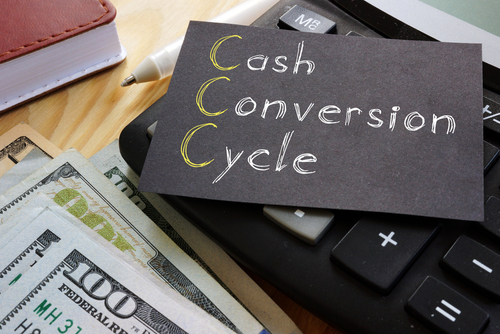 This metric, which is also referred to as the cash cycle or the net operating cycle, looks at the time a business takes to recover its investment in inventory to eventually sell. The process starts from selling its goods, collecting on outstanding receivables or invoices, and satisfying its operating costs with the sale proceeds. It’s normally measured in days to determine the company’s financial health.



 It’s that time of year again. Halloween has just come and gone – and now we’re hurtling headlong into Thanksgiving and Christmas. For holiday shopping, it’s tempting to turn a blind eye and put everything on your credit cards. However, if you don’t want to have a financial hangover in January, February (and so on), you might want to take a look at these tips.
 Looking at accounting and journal entry considerations, if accounts receivables are debited and revenue is credited, it can be interpreted as the business recognizing revenue without the customer paying. As such, the U.S. Securities and Exchange Commission (SEC) sees the potential for intentional manipulation of earnings. It is important to review this type of transaction to see how the U.S. government and accounting standards treat deviations from these activities.
 According to estimates, inflation adjustments to the Internal Revenue Code are expected to yield increases of 2.8 percent compared to 2024 amounts. This means wider tax brackets and increased exemptions, among other things. With the U.S. Bureau of Labor Statistics consumer price index (CPI) moderating, this increase is about 50 percent less than 2024’s inflation adjustment. Below, we’ll look at what the projected 2025 inflation adjustment means in terms of dollars and cents for you and your taxes.
 Step 5: Estate Plan
 Former President and current candidate Donald Trump introduced a new policy of his in a recent Arizona rally: No more income tax on overtime pay. This follows both Trump and Vice President Harris’ proposal for a no income tax on tips policy, as well.
 As technology evolves, so have data breaches, which have become a significant threat to businesses of all sizes. We frequently hear reports of high-profile attacks on major organizations, global corporations, and even government agencies. Emerging technologies such as generative artificial intelligence and machine learning make cybersecurity more challenging. They enable cybercriminals to automate attacks, create sophisticated phishing schemes, and develop advanced malware to evade traditional security measures. Hence, companies have no choice but to change how they approach cybersecurity.
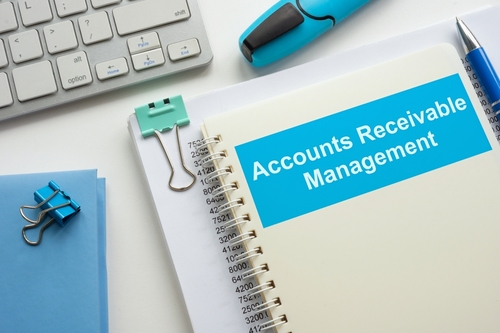 Analyzing a company’s Accounts Receivables is an effective way to measure its current cash flows and the likelihood of maintaining healthy cash flows. According to the U.S. Chamber of Commerce’s Small Business Index (Third Quarter 2024), 68 percent of small business owners reported being content with their third quarter cash flow performance. This illustrates the importance for small business owners to do everything possible to maintain healthy cash flows, including evaluating the quality of accounts receivables (A/R).
 With more than 14 million electric vehicle (EV) registrations in 2023 worldwide and 2023 seeing an increase in EV sales over 2022 by 35 percent, manufacturers are probably happy – but not those producing the traditional internal combustion engine (ICE) vehicles. This is according to the International Energy Agency’s Global EV Outlook 2024: Trends in Electric Cars.
 Annuities are one of many products that folks have in their nest egg. But first, what exactly is an annuity?